
Airship AI wins $29m DHS contracts for edge and server AI surveillance
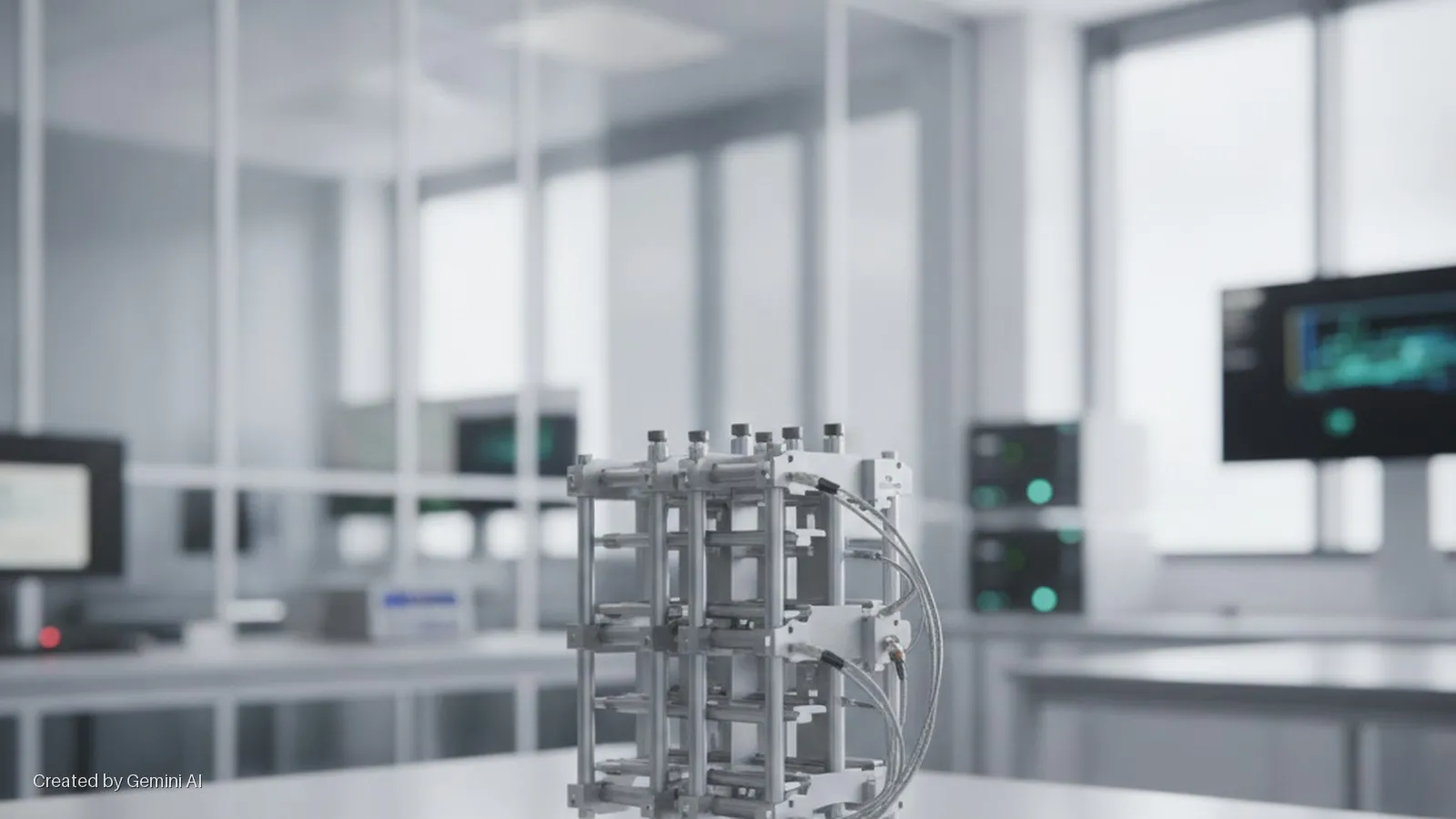
Airship AI Holdings has been awarded $29.0 million in firm-fixed-price contracts from an agency within the US Department of Homeland Security, covering a six-month performance period. The contracts, described as brand-name-only awards, span the company's full product portfolio: its Acropolis software ecosystem, Outpost AI edge appliances, the newly released Fortress AI server-side platform, and turnkey integrated hardware systems.
The scale of the award is notable for a company of Airship AI's size. NASDAQ-listed under the ticker AISP and headquartered in Redmond, Washington, the firm has been building its federal law enforcement footprint since its founding in 2006. The DHS contracts represent a consolidation of that relationship across all three product lines rather than a single point-solution engagement.
What the contracts cover
The Acropolis component focuses on expanding autonomous edge sensor data collection and improving the confidence thresholds on user-defined event detection. The Outpost AI element adds further deployment quantities of the company's edge AI appliance, which is designed to run inference locally without a cloud connection. Fortress AI, released earlier this year, extends the architecture to centralised, on-premises server processing for higher-capacity workloads.
President Paul Allen said the awards mark "a significant milestone for Fortress AI" as it moves from initial tactical deployments, including support for multiple major 2026 National Special Security Events, into broader federal law enforcement operations. Allen also confirmed that new agentic AI functionality for the company's Ask Airship platform is expected before the end of 2026. Ask Airship is designed to sit atop existing video, sensor and access-control infrastructure, allowing agencies to pair their own data with selected AI models without replacing existing systems.
Market context and competitive positioning
The federal AI surveillance market has attracted increasing vendor attention as US government agencies prioritise autonomous intelligence gathering at the tactical edge. Airship AI competes in a space that includes larger defence and government IT primes as well as specialist video analytics vendors, though the brand-name-only nature of these awards indicates DHS has specified Airship AI's products by name rather than opening competitive procurement. That distinction carries meaningful commercial value: it limits substitution risk and signals a degree of institutional lock-in that pure platform vendors rarely achieve early in a federal relationship.
Data sovereignty is emerging as a decisive factor in federal procurement. Fortress AI's on-premises architecture, which keeps sensitive data within the agency's own infrastructure and away from third-party cloud providers, aligns directly with a broader federal push to avoid vendor-controlled cloud dependencies for classified or law-enforcement-sensitive workloads. The EU AI Act and, increasingly, US executive guidance on AI in law enforcement are tightening requirements around explainability and human oversight for automated surveillance tools. Buyers in this segment are watching how vendors document model confidence levels and audit trails, areas where Airship AI's Acropolis confidence-scoring work may need to be evidenced publicly as scrutiny grows.
Near-term milestones
The six-month performance period means deliveries against these contracts should largely complete by the first quarter of 2027. Investors will focus on whether the awards translate into follow-on task orders and whether the Ask Airship agentic functionality ships on schedule. The company has not disclosed post-award backlog figures or guidance for the full financial year, so the $29 million figure represents incremental contract value rather than a revised revenue outlook.