
Liberty Defense sells HEXWAVE systems to Cleveland Hopkins Airport
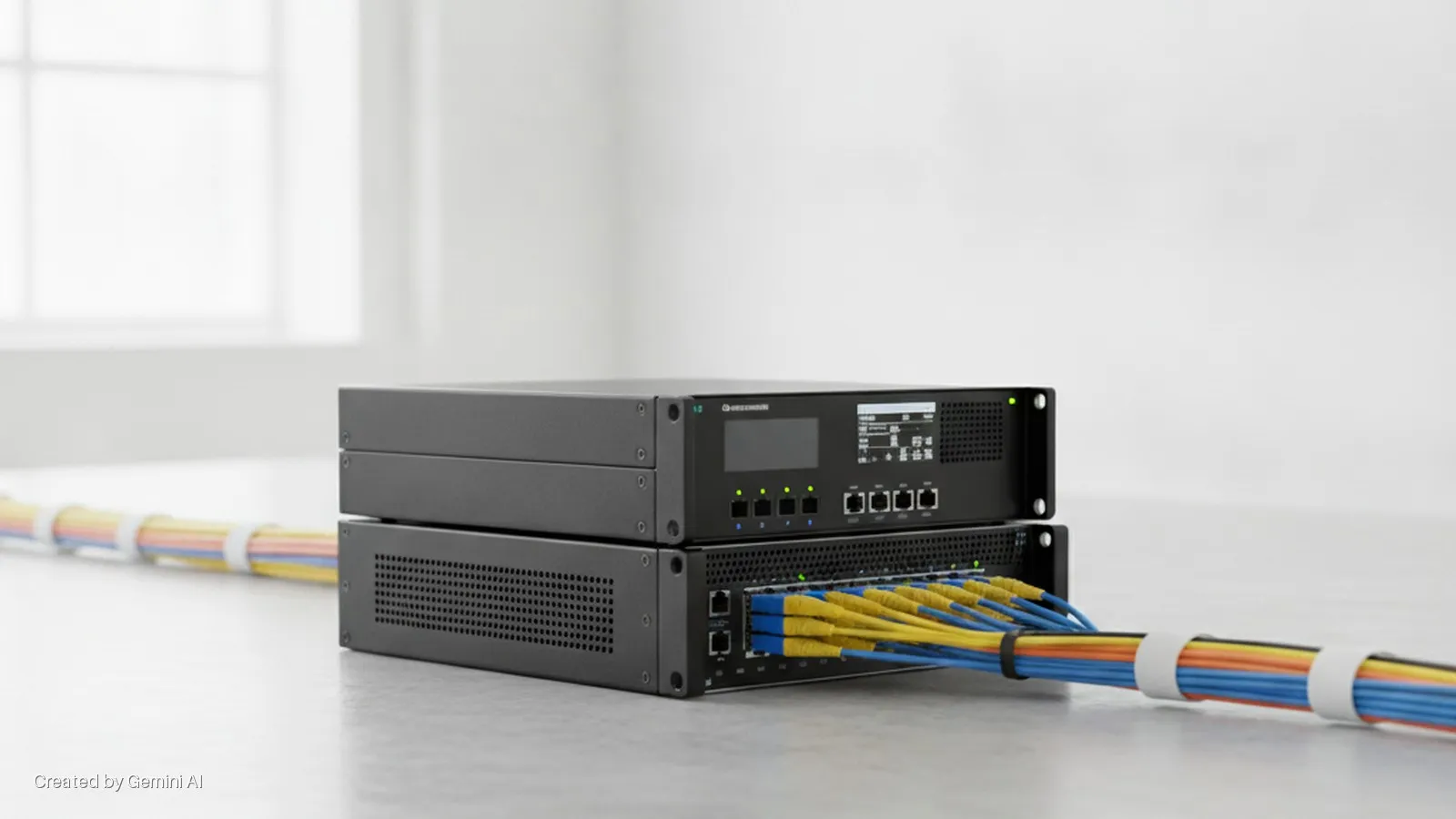
Liberty Defense Holdings has agreed the sale of two HEXWAVE threat-detection systems to Cleveland Hopkins International Airport (CLE), with systems integrator Wadsworth Solutions acting as prime contractor for the deployment. The units will operate at designated screening points within CLE's Aviation Worker Screening programme, which covers staff accessing airside and security-sensitive areas of the airport.
Cleveland Hopkins handles around 10 million passengers a year and sits within the mid-tier of US regional airports by passenger volume. The deployment brings HEXWAVE's total aviation footprint to nine airports, according to Liberty Defense chief executive Bill Frain, who characterised the win as evidence of growing demand for screening technologies that go beyond conventional metal detection.
How HEXWAVE works
HEXWAVE uses millimetre-wave radar combined with 3D video-rate imaging to detect both metallic and non-metallic concealed threats, including liquids, powders, plastics and vaping devices. Automatic threat flagging is handled by onboard AI and deep-learning algorithms, reducing the manual review burden on security operators. The underlying technology is built on an exclusive licence from the Massachusetts Institute of Technology, covering active 3D radar imaging patents.
Wadsworth Solutions will handle physical installation, operator training and ongoing technical support. The Virginia-headquartered firm has operated in airport and critical-infrastructure security integration since 1944 and brings established relationships with transportation-sector clients. Matt Dillon, vice president of Wadsworth's security team, said HEXWAVE "provides an additional layer of support" that complements the company's broader integration services.
Market context and competitive landscape
Aviation-worker screening has attracted growing regulatory attention in the United States following a series of insider-threat incidents at major hubs over the past decade. The Transportation Security Administration has encouraged airports to pilot enhanced worker-screening tools beyond conventional magnetometers, creating an opening for millimetre-wave and active-imaging vendors.
Liberty Defense competes in a market that includes established security-equipment manufacturers such as Smiths Detection, Leidos and Rohde and Schwarz, all of which offer millimetre-wave or backscatter-based screening products with longer deployment histories and broader government certification portfolios. For a NASDAQ-listed small-cap, winning named airport contracts is a key commercial signal; the nine-airport figure, while modest in absolute terms, provides reference-site credibility that the sales team can leverage with larger airport operators.
The company has also recently added a millimetre-wave body scanner and shoe scanner to its portfolio through a separate technology licence, suggesting a strategy of broadening its addressable surface within the physical-security screening market rather than competing solely on the HEXWAVE platform.
Regulatory read-across
Airport security equipment deployed in the United States must satisfy TSA qualification requirements, and systems used for worker screening are subject to additional access-control and audit obligations under the Aviation and Transportation Security Act. Any expansion into European airports would engage European Civil Aviation Conference standards and the EU's own worker-screening directives, adding a regulatory layer that Liberty has not yet publicly addressed. Investors monitoring the company's international pipeline will look for clarity on certification status across jurisdictions as the airport count grows beyond North America.