
Maris-Tech completes Diamond Ultra V2 AI video platform for defence
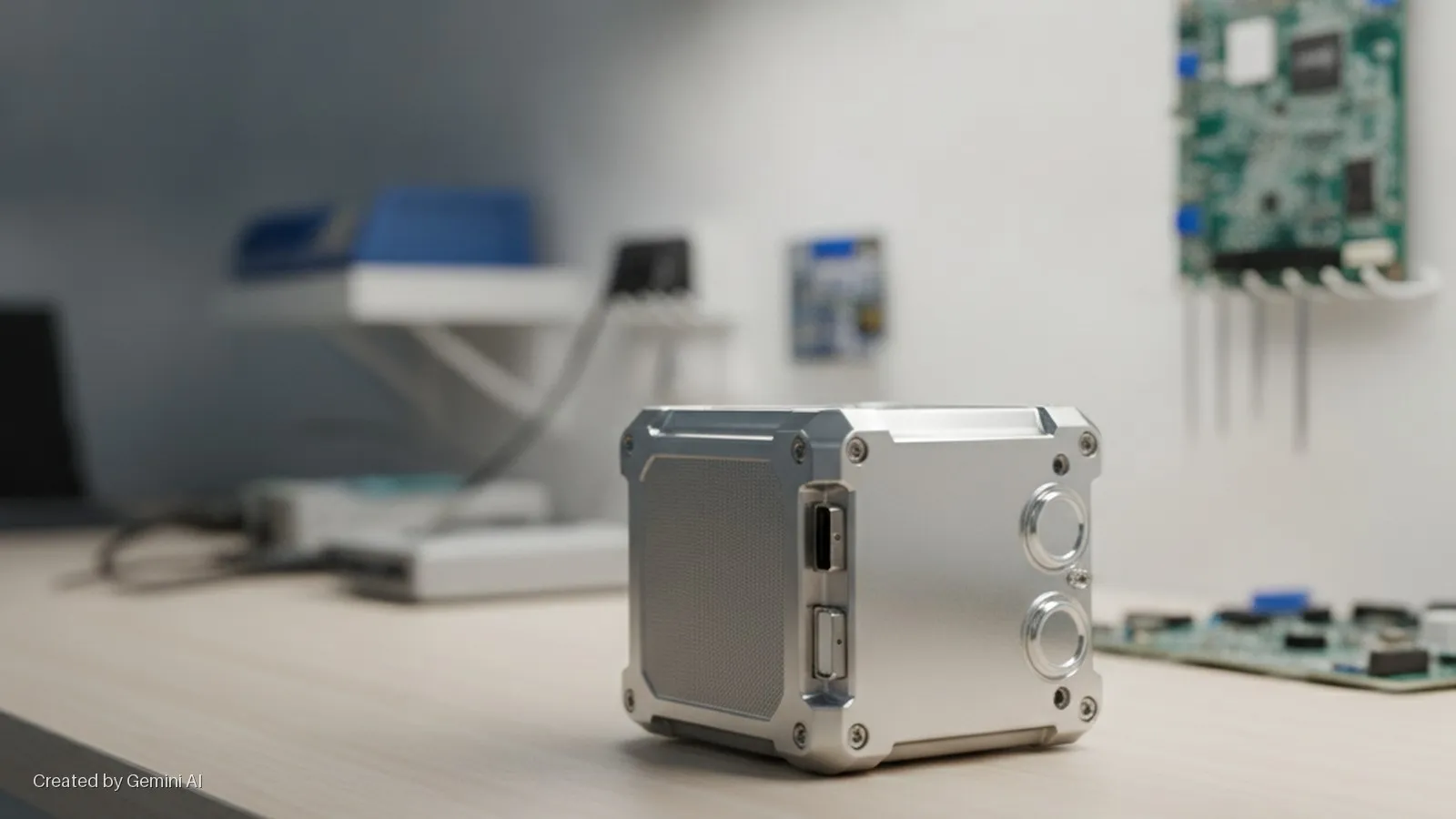
Maris-Tech (Nasdaq: MTEK) has announced the completion of development of Diamond Ultra V2, a system-level video and AI processing platform aimed at defence and homeland security customers. The Israel-based company says the platform is designed for applications including situational awareness, counter-UAS operations, terrain dominance and airborne mission computing.
Diamond Ultra V2 is built on Qualcomm's Dragonwing IQ9 Series and incorporates Maris-Tech's own hardware and firmware. The company says the platform can be paired with its Peridot family of thermal and daylight cameras, including the Peridot Night, Peridot Night Micro and Peridot Night Dome variants, to form a self-contained video capture, processing and AI inference stack intended for extreme operating environments.
The platform
Chief executive Israel Bar described the product's completion as "another important step in Maris-Tech's evolution as a system-level provider for next-generation defence platforms." The company says combining high-performance video processing with its expanding imaging portfolio allows it to offer customers a more complete solution, rather than components that must be integrated separately by the end user.
Maris-Tech confirmed that Diamond Ultra V2 is compliant with the US National Defense Authorization Act (NDAA), a requirement that has become a practical prerequisite for selling defence electronics into the US federal market since restrictions on components from certain Chinese suppliers tightened under successive NDAA provisions. The company cited the US, European and Indian markets as its primary commercial targets for the platform.
The release did not disclose pricing, power consumption, specific AI compute performance figures, weight specifications, or any named customer or programme of record. No shipment or general availability date was given beyond the announcement that development has been completed.
Market context
The market for ruggedised edge AI hardware in defence applications has grown sharply with the proliferation of unmanned systems and the operational demand for real-time, onboard analytics at low size, weight and power. Maris-Tech competes in a field that includes established defence electronics integrators as well as specialist AI-at-the-edge vendors targeting the same unmanned aerial vehicle, unmanned ground vehicle and dismounted-soldier segments.
NDAA compliance has become a key differentiator for vendors seeking US government contracts following restrictions on Huawei, ZTE and a growing list of designated entities under Section 889 and subsequent provisions. Vendors able to demonstrate a clean supply chain attract procurement preference, particularly from the Department of Defense and allied-nation buyers who co-operate under Foreign Military Sales arrangements.
Standards and regulatory path
For European sales, Maris-Tech will need to navigate defence export-control requirements under national licensing regimes and EU common-position rules, as well as the export administration frameworks governing the re-export of US-origin technology embedded in the platform. The Indian market opportunity, if pursued through the government-to-government or direct commercial sales route, would add compliance obligations under India's Defence Acquisition Procedure.
The company's next milestones to watch are a named programme win, publication of SWaP (size, weight and power) and AI inference benchmarks, and confirmation of a production delivery schedule. Without those data points, the announcement marks the close of a development cycle rather than the start of commercial revenue generation.