
Zorronet reports operational rollout of NL-driven AI security platform
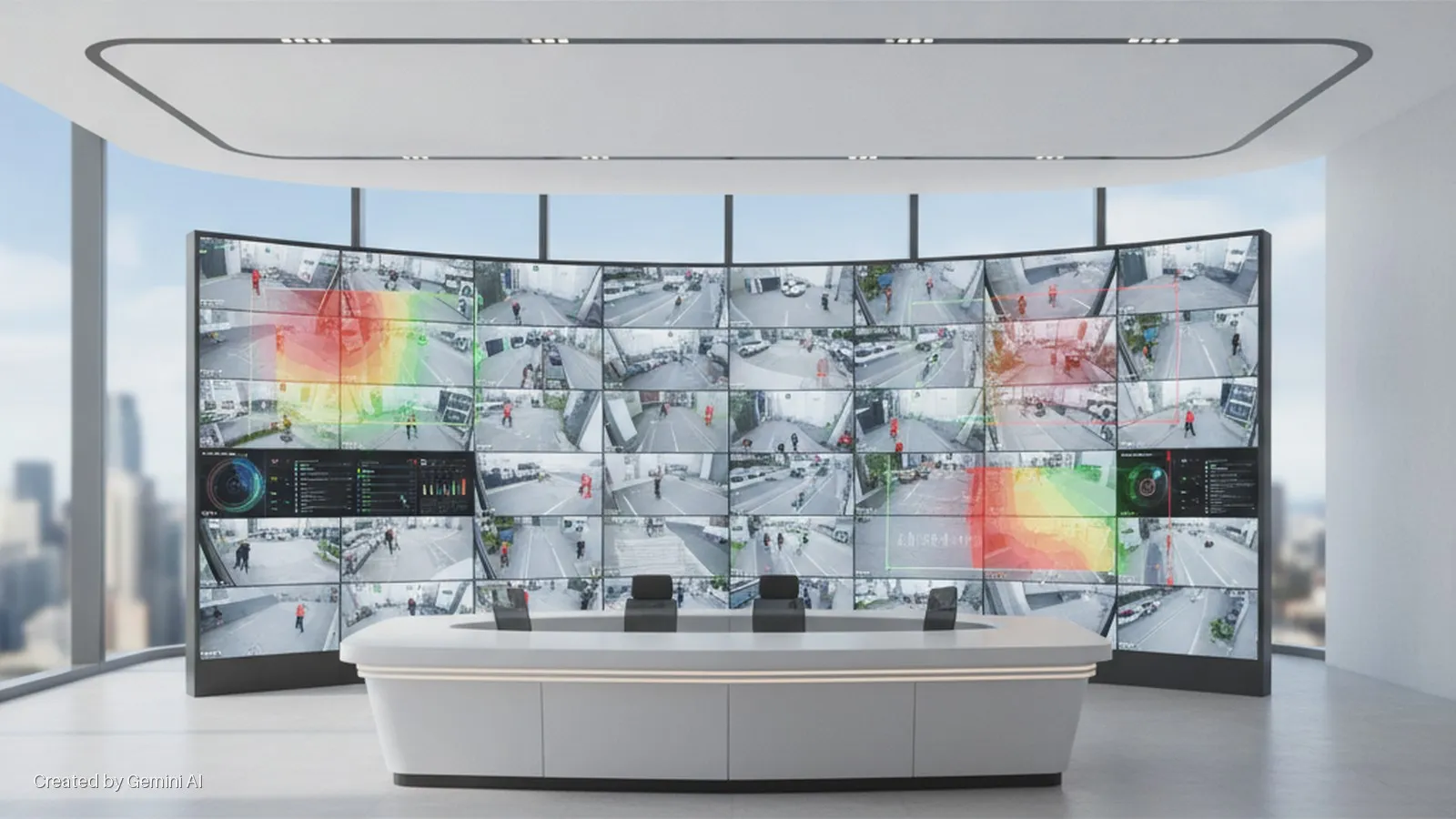
Zorronet Ltd., the AI security subsidiary of NYSE American-listed Tessera Defense and Homeland Security, has announced a cluster of operational orders and live deployments for its natural-language intelligence platform, signalling what the company describes as a transition from technology evaluation to sustained operational use.
The platform combines vision language models (VLMs), real-time video analytics, sensor integration and no-code configuration tools. Its distinguishing feature is a natural-language interface that allows operators to define new detection scenarios by describing requirements in plain language, removing the need for a dedicated software development cycle each time an operational need changes.
The deployments
Zorronet disclosed seven discrete customer actions in the release. Three Israeli kibbutzim ordered perimeter security systems with integration into local command centres and secure mobile access. A mid-sized monitoring and command centre has already moved into live operation. One of Israel's leading energy companies has connected three sites to the platform and is planning further expansion. An Israeli national rail operator has ordered a system for its safety command centre. An Israeli law-enforcement organisation integrated two Zorronet interfaces into existing servers.
In the defence segment, two military sites upgraded existing systems to Zorronet's new platform architecture and have already implemented the change. A major Israeli defence company upgraded its own deployment and ordered two additional systems for what the release describes as sensitive operational use, with one system already in the field.
No contract values, revenue figures or unit volumes were disclosed across any of these engagements.
"What we are seeing now is the transition from technology demonstration to real operational adoption," said Idan Wasserman, CEO of Zorronet. "Customers are not simply connecting cameras to another analytics system. They are starting to use AI as an operational layer that understands what is happening across their environment and allows them to create new scenarios simply by describing what they need."
Market context
The physical security and command-and-control software market is consolidating around AI-augmented video analytics, with established vendors such as Genetec, Milestone Systems and Axis Communications all adding AI layers to legacy camera infrastructure. The differentiating pitch for newer entrants like Zorronet is the promise of no-code adaptability: traditional video analytics platforms required developers to encode specific detection rules, creating a backlog every time an operational requirement evolved.
The integration of VLMs into security systems reflects a broader pattern seen in industrial and defence AI, where multimodal foundation models are being applied to real-time sensor fusion rather than static document analysis. Whether VLM-based interpretation can meet the reliability thresholds demanded in defence and critical-infrastructure environments remains an active area of evaluation across the sector.
Tessera itself is navigating a complex corporate situation: the company disclosed in its SEC filings a going-concern qualification and a risk that it may not regain compliance with NYSE American continued listing standards. That context is material for enterprise buyers assessing long-term vendor viability, particularly for sensitive infrastructure deployments that require ongoing maintenance and support contracts.
From a regulatory standpoint, deployments touching defence and law enforcement in Israel will sit within a regulatory and export-control environment governed by the Israeli Ministry of Defense. Any future international expansion, particularly into EU or US markets, would bring additional obligations under the EU AI Act's provisions for high-risk AI systems in critical infrastructure and law enforcement, as well as US export-administration rules covering dual-use AI technology.
Zorronet's near-term milestones, as implied by the release, are converting current single-site evaluations into multi-site expansion contracts and extending the platform beyond Israel into international markets.