
ICEYE and Nokia partner on sovereign LEO satellite comms for defence
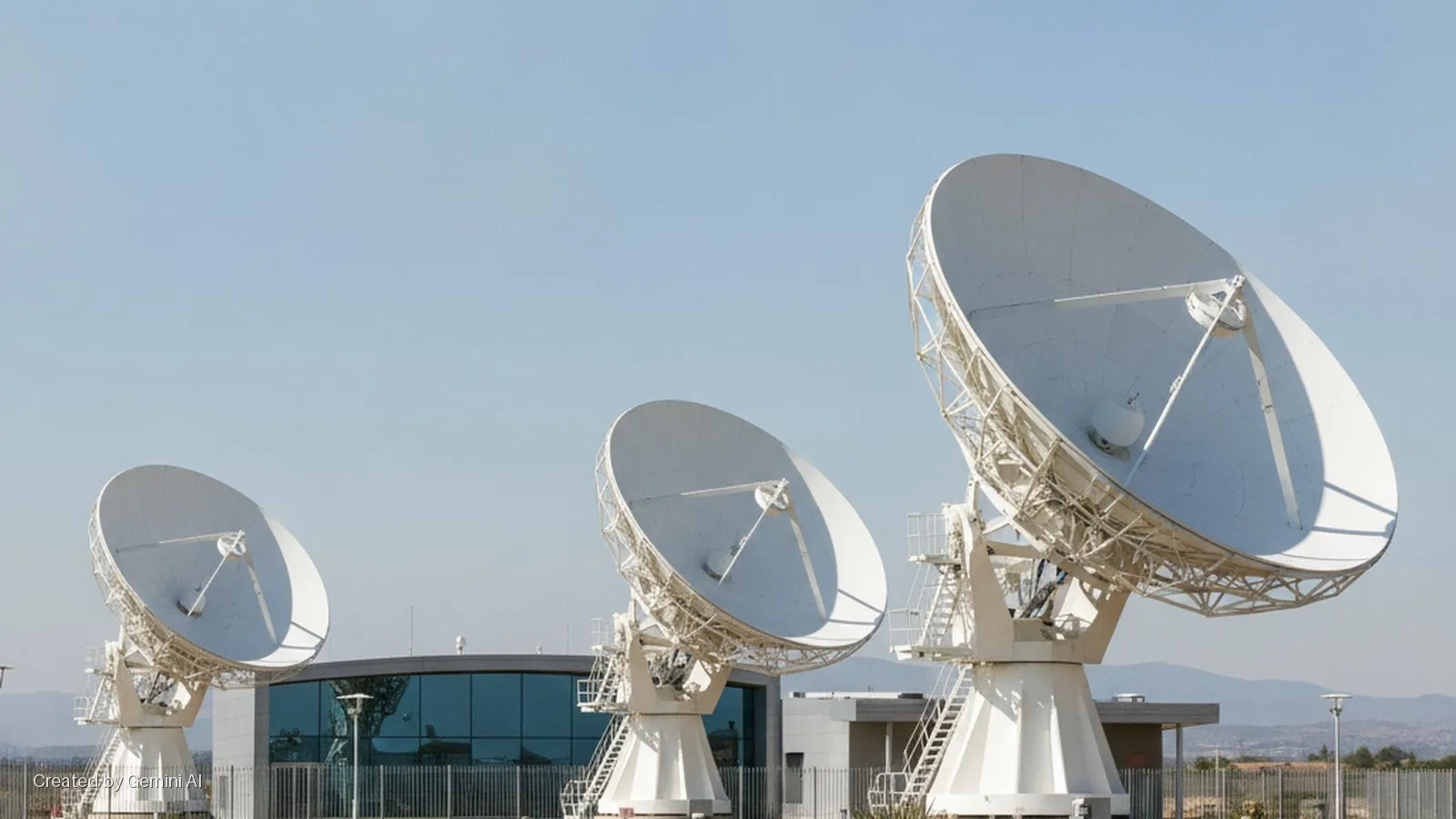
ICEYE, the Finnish synthetic aperture radar (SAR) satellite operator, and Nokia have announced a partnership to develop secure, sovereign broadband communications systems in low Earth orbit (LEO) for government and defence customers. The first satellites under the programme are targeted for launch in 2028, with the jointly built systems designed to give procuring nations ownership of the satellites, ground segment and ruggedised user terminals.
The announcement came ahead of both companies' appearance at the Helsinki Security Forum on 2 October, where ICEYE chief executive Rafal Modrzewski and Nokia president and CEO Justin Hotard are scheduled to discuss European technological sovereignty.
The partnership
The programme is aimed squarely at the resilience gap that emerges when terrestrial networks are disrupted or jammed during military operations, border incidents or natural disasters. The two companies will integrate ICEYE's satellite-build and mission-delivery expertise with Nokia's secure networking portfolio to produce a system that, they say, will complement rather than replace existing military and commercial networks.
Modrzewski drew a direct comparison to ICEYE's 2023 delivery of a sovereign radar satellite system for Poland, completed in under a year. "Nations must be able to fully own and control their communications, without dependency on a foreign commercial operator's terms of service," he said, pointing to that precedent as evidence the partnership can match the delivery timelines governments require.
Hotard framed Nokia's contribution around what he called physical AI: the integration of real-time sensing, decision-making and connectivity across land, sea, air and space domains. Nokia's defence portfolio has expanded in recent years alongside the company's broader push into private wireless and critical-infrastructure networking.
Market context
The sovereign satellite communications market has attracted significant attention since Russia's jamming and cyber disruption of the Viasat KA-SAT network at the outset of the Ukraine conflict in February 2022, an event that sharpened European governments' appetite for infrastructure they directly control. SpaceX's Starlink has become a de facto operational network for Ukraine, but its non-European ownership and commercial terms of service have reinforced the political case for indigenous alternatives.
European sovereign LEO ambitions are now spread across several programmes. The EU's IRIS² constellation, a multi-orbit broadband system backed by SES, Eutelsat and Airbus among others, is targeting initial services in the late 2020s and has a mandate to serve government users with encrypted capacity. Alongside IRIS², national-level efforts and bilateral defence procurement add further demand for bespoke sovereign systems of the kind ICEYE and Nokia are proposing.
ICEYE's existing SAR constellation, which it describes as the world's largest, gives the company a credible track record in delivering operational satellite capability to government customers at pace. Nokia brings established credentials in mission-critical private networks, including FirstNet-adjacent public-safety deployments in the US and European defence engagements.
Regulatory and standards read-across
Sovereign communications systems destined for NATO members will need to align with Alliance interoperability standards and, where EU funding is involved, with the European Defence Fund's technology-sovereignty conditions. Export-control regimes, including US ITAR and EU dual-use regulations, will govern how subsystems sourced from non-European suppliers are incorporated into a system marketed on its European provenance. The companies did not address these constraints in their release.
No contract values, individual nation customers, or detailed technical specifications such as throughput targets, frequency bands or orbital altitude were disclosed at this stage. The 2028 launch window gives approximately two years for hardware integration and regulatory clearance, a timeline that will be tested by supply-chain pressures in the satellite manufacturing sector.