
GlobalFoundries breaks ground on $10bn Malta fab under US-Japan deal
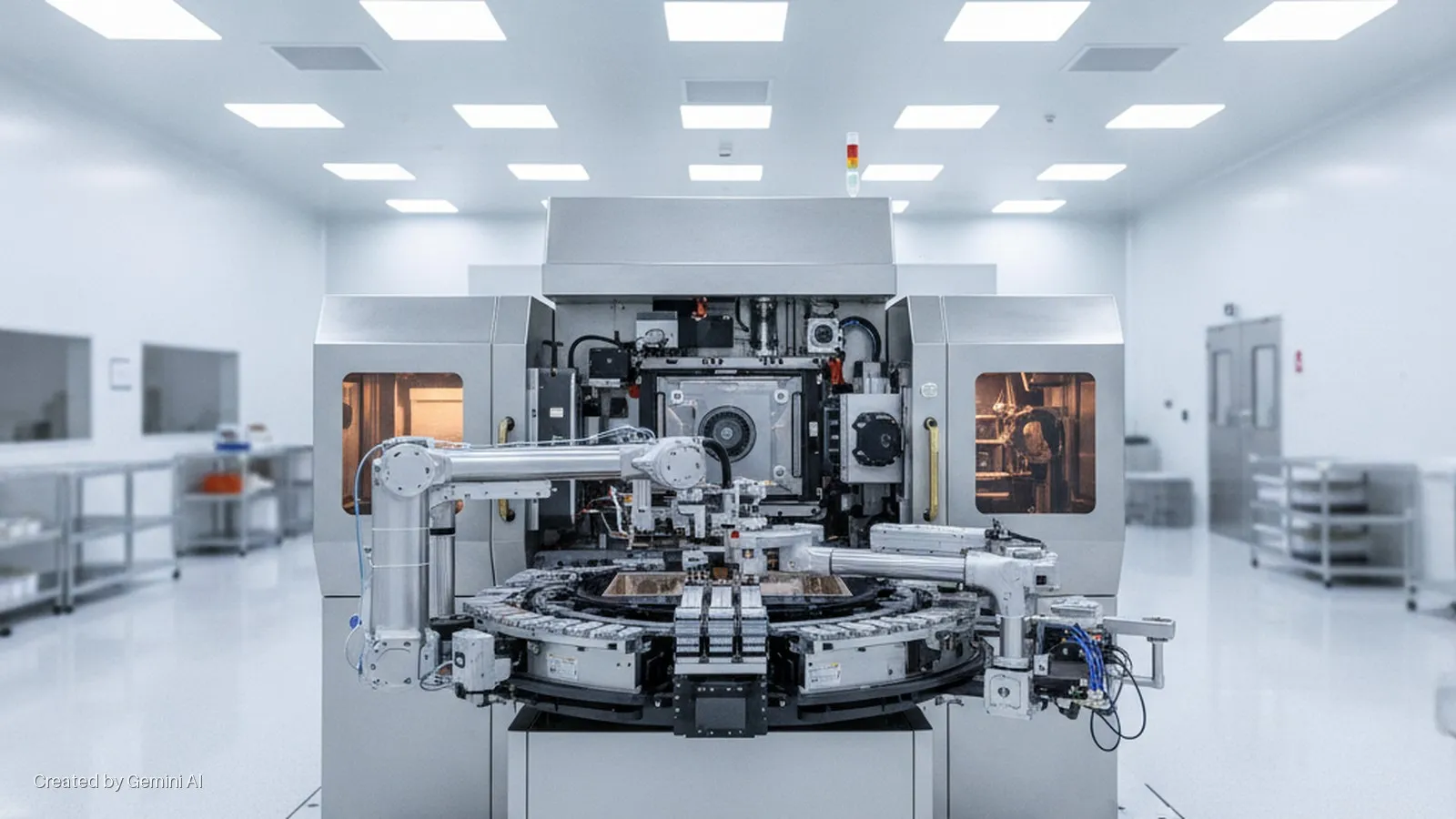
GlobalFoundries (Nasdaq: GFS) has broken ground on a new 300mm semiconductor fabrication facility at its Malta, New York campus, marking the first physical construction milestone under a bilateral US-Japan initiative that could channel up to $21 billion into American chip manufacturing capacity. The groundbreaking, attended by US and Japanese government officials alongside state and local leaders, signals a significant escalation in allied-nation efforts to diversify semiconductor supply chains away from East Asian concentration.
The project structure splits responsibility along national lines: Japan provides the capital, while GlobalFoundries contributes technology, operational management and its established Malta manufacturing base. An initial investment of approximately $10 billion, supplemented by $570 million in incentives from New York State, is funding the first fab, which is targeted to come online in 2029. A second fab, requiring a further $10 billion, is contingent on project progress. Together the two facilities are expected to add roughly 1.8 million 300mm wafers of annual US manufacturing capacity and create more than 1,000 high-skilled permanent manufacturing roles, alongside an estimated 27,000 construction and ecosystem jobs.
"This first-of-its-kind initiative brings together the strengths of the United States, Japan and GF to expand trusted semiconductor manufacturing at a scale that matters," said Tim Breen, chief executive of GlobalFoundries.
The Malta site focuses on foundational, or mature-node, semiconductors rather than the leading-edge logic pursued by TSMC and Intel. GlobalFoundries has consistently positioned its differentiated power-efficient process technologies as critical to automotive, industrial and connected infrastructure markets, where long product life cycles and supply assurance matter more than raw transistor density.
Geopolitical and supply-chain context
The initiative sits within a broader Western push to reshore semiconductor capacity, accelerated by the US CHIPS and Science Act of 2022 and parallel investment programmes in Japan, the EU and the UK. Japan's involvement reflects its own strategic interest in building allied supply-chain resilience: Japanese automotive and industrial groups are among the heaviest consumers of the mature-node chips GlobalFoundries produces, and domestic Japanese fabs have faced their own capacity constraints.
The $21 billion headline figure places this among the largest single-site semiconductor investments announced in the US to date, comparable in scale to TSMC's Arizona commitments and Samsung's Texas expansion. Unlike those projects, which target leading-edge logic below 5nm, the Malta investment targets the 12nm-to-45nm range where vehicles, factory automation, power management and radio-frequency applications cluster. Demand in this segment has remained structurally tight since the 2020-to-2022 automotive chip shortage exposed the risks of geographic concentration.
Regulatory and workforce path
Securing funding under a bilateral government initiative of this scale carries its own compliance overhead. The project will need to satisfy CHIPS Act domestic-content and national-security provisions, including restrictions on expanding advanced capacity in countries of concern for a period of ten years. The bilateral structure with Japan also requires alignment with US export-control frameworks administered by the Bureau of Industry and Security.
Workforce development is flagged as a parallel priority. GlobalFoundries says it is working with regional schools, colleges and universities to build a pipeline of semiconductor technicians and engineers. New York's Capital Region has an existing ecosystem anchored by the SUNY Polytechnic Institute's Albany NanoTech Complex, which provides a talent and research foundation that greenfield sites elsewhere would lack.
With construction now under way, the next milestones investors and customers will watch for are equipment-installation timelines, first-customer technology qualification announcements, and confirmation of the second-fab funding trigger as the project moves towards its 2029 production target.