
NVIDIA spotlights Nordic AI and compute ecosystem ahead of GTC Berlin
NVIDIA has published a broad showcase of technology deployments across the Nordic region, timed to build momentum ahead of GTC Berlin. The round-up spans AI cloud infrastructure, enterprise software, autonomous systems, sovereign supercomputing, and early-stage quantum work, and names more than a dozen companies running on NVIDIA silicon and software stacks.
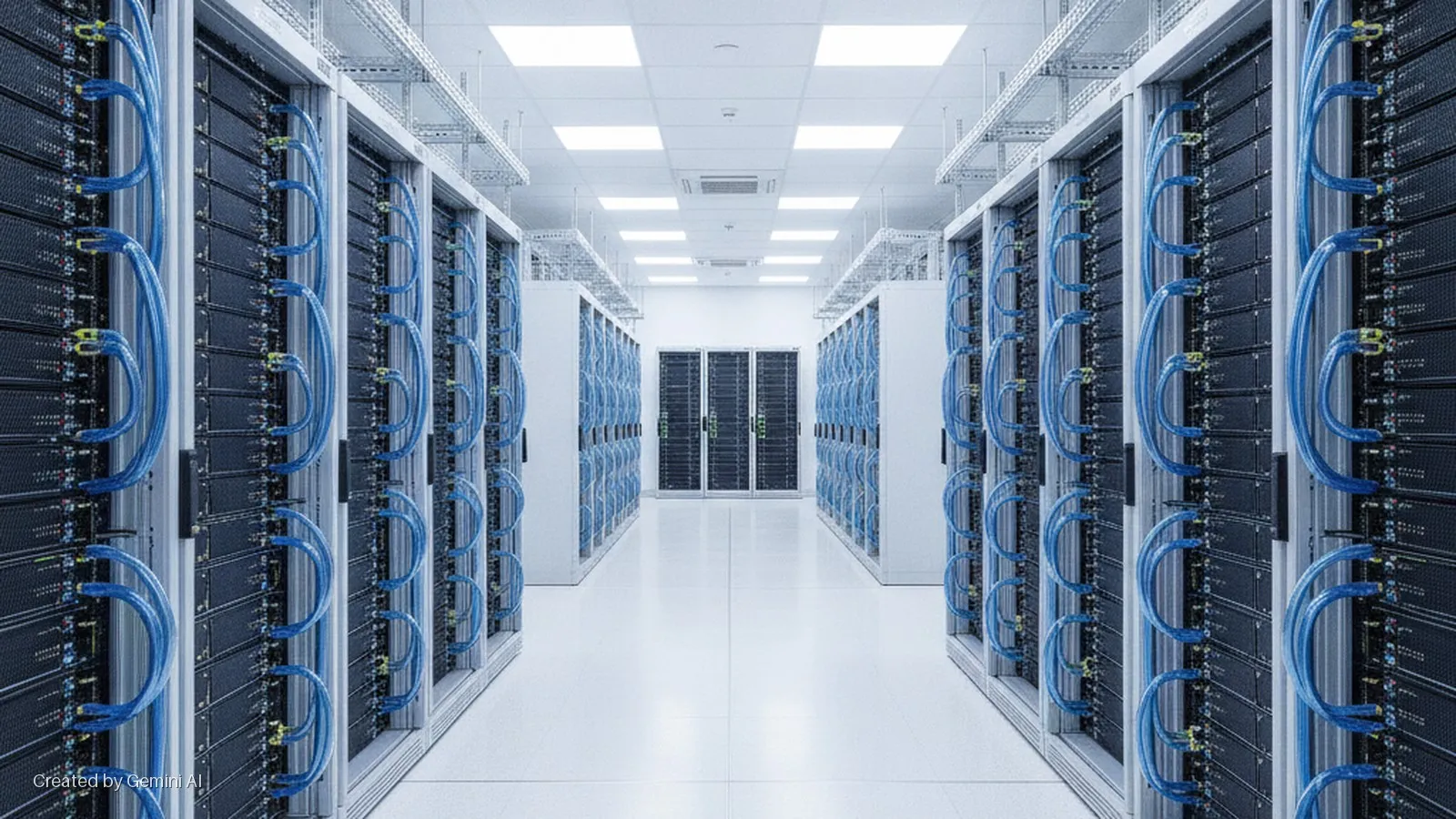
The most significant infrastructure announcement is the projected build-out of one gigawatt of AI cloud capacity across the Nordics by the end of 2027, attributed collectively to a cohort of GPU cloud providers including Nebius, CoreWeave, Crusoe, Bitdeer, Volta, Verda, and Hyperstack. No individual capacity allocations, data-centre locations, or contracted power agreements were disclosed.
Sovereign compute and enterprise applications
On the supercomputing side, a group of prominent Swedish institutions including Ericsson, AstraZeneca, Saab, SEB, Wallenberg Investments, and SKF is said to be anchoring the launch of Sferical One, a shared Swedish supercomputer built on two NVIDIA DGX SuperPODs. The initiative reflects a broader European push toward nationally governed AI infrastructure, a theme that has attracted considerable public funding through EuroHPC and aligned with EU digital sovereignty policy.
Several enterprise software deployments were also highlighted. Spotify is using NVIDIA TensorRT-LLM to serve personalised podcast recommendations at lower cost and latency. ABB Robotics says it has used NVIDIA Omniverse libraries to develop a robot simulation environment it calls RobotStudio HyperReality, reporting simulation accuracy of up to 99% and commissioning-time reductions of up to 80%, though these figures come from ABB and have not been independently verified. Finnish telecoms operator Elisa is launching Moontalk AIRI, a real-time meeting assistant built on NVIDIA's open Nemotron model family. Autonomous trucking firm Einride is developing its next-generation Einride Driver system using NVIDIA Halos safety frameworks and Cosmos world models.
On the quantum side, FirstQFM is reported to be using NVIDIA accelerated computing to train quantum processor models, with an execution-time improvement of 33% claimed. No methodology or comparison baseline was provided.
Market context and competitive read-across
The Nordic region has become one of Europe's more active proving grounds for large-scale AI infrastructure investment, aided by relatively low power costs, cool climates suited to data-centre density, and strong government appetite for digital sovereignty. The one-gigawatt capacity target cited by NVIDIA's cloud partners would represent a significant share of projected European AI compute supply over the next two years, though the figure aggregates across multiple operators and should be read as an indicative pipeline rather than committed infrastructure.
NVIDIA's strategy of curating regional ecosystem showcases ahead of major events is a recurring pattern: the company uses events such as GTC to anchor partner announcements and reinforce its position as the default compute substrate for enterprise AI. Competing GPU platforms from AMD and Intel, as well as custom silicon from hyperscalers, have made limited inroads into this tier of enterprise and sovereign deployments in Europe, though pricing pressure and supply constraints continue to be a consideration for buyers evaluating multi-year infrastructure commitments.
The EU AI Act's obligations for general-purpose AI model providers, which begin phasing in through 2025 and 2026, add a compliance dimension for Nordic operators running foundation models on shared infrastructure. Operators such as the Sferical One consortium will need to document model use and maintain appropriate governance frameworks as regulation matures. NVIDIA did not address these compliance considerations in its release.
The Stockholm AI Lab, a planned physical hub for AI-native founders being launched in partnership with Norrsken Foundation, is scheduled to open in 2027, alongside the Sweden AI Factory's EuroHPC-funded access programme for startups in life sciences, gaming, and autonomous systems.