
US Signal acquires Hillsboro data centre in constrained Oregon market
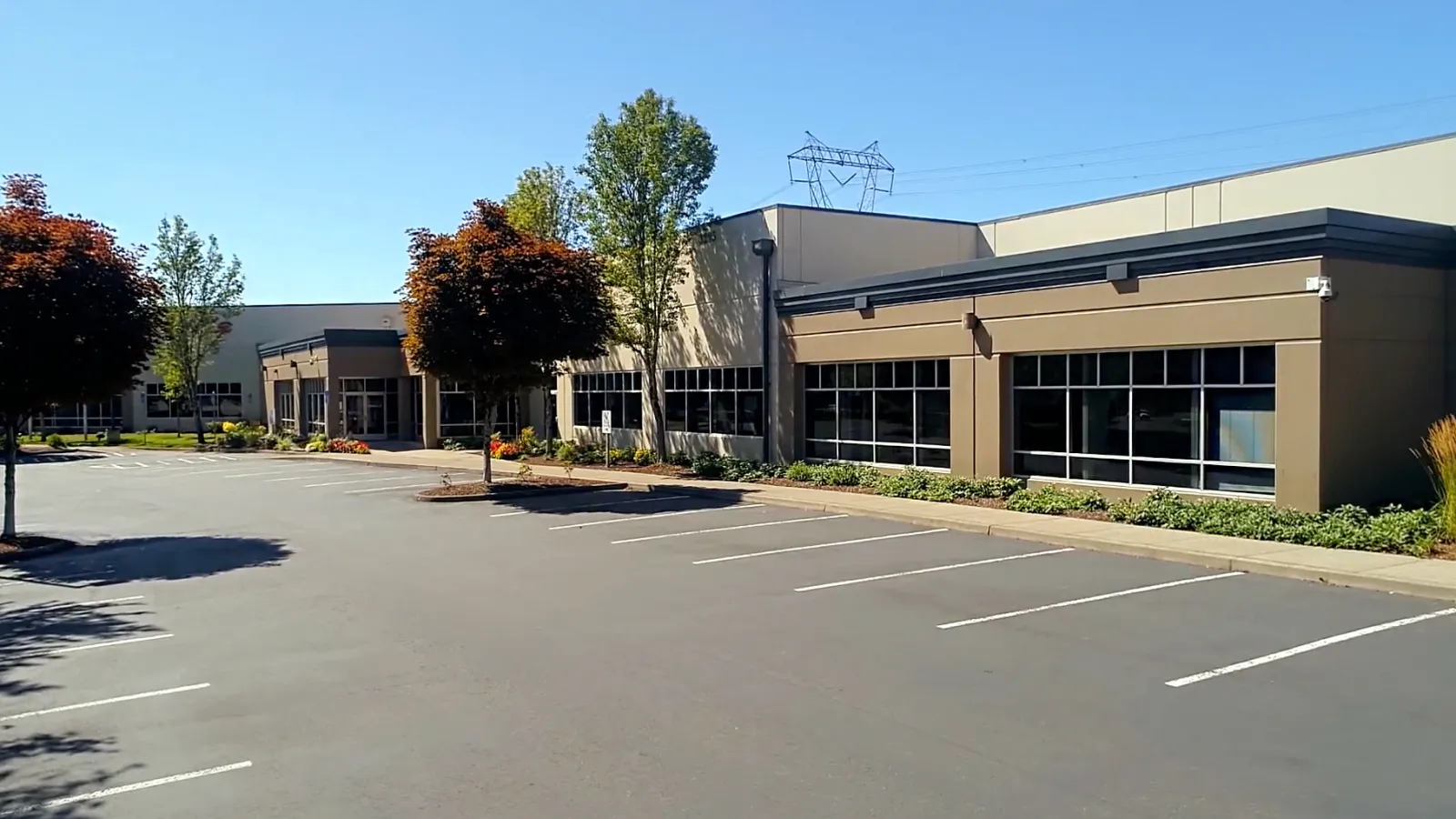
US Signal has completed the acquisition of a 63,000-square-foot data centre in Hillsboro, Oregon, marking the Michigan-based operator's first owned facility in the Portland metro area. The site, located within an existing industrial park, comprises roughly 14,000 square feet of raised data-hall space and 4.5 megawatts of installed power, with scope for further expansion. The deal is backed by Igneo Infrastructure Partners, the €30.5 billion infrastructure investor that owns US Signal.
The acquisition brings US Signal's nationwide estate to 18 data centres. The company already operates a facility in Bend, Oregon, but the Hillsboro purchase gives it a foothold in the far larger Portland market, which it can connect to its existing fibre network and OpenCloud platform.
A market with almost no room
Hillsboro sits at the heart of Oregon's data centre corridor, drawing colocation and hyperscale tenants in part because of its proximity to Amazon Web Services' campus infrastructure in the region. Market vacancy in the first half of 2026 was estimated at approximately 0.2%, a figure that puts it among the most constrained sub-markets in North America. Power availability and planning constraints have made new greenfield builds difficult, meaning that acquiring an operational facility with existing grid connections is a materially faster route to capacity than ground-up development.
John White, US Signal's chief operating officer, said the company's strategy was to absorb established facilities rather than build from scratch. "We're bringing an existing facility into our network and building on the approach we've taken in other communities: data centres sized for the markets they serve, with the connectivity and services customers need to grow," he said.
Infrastructure investment thesis
Igneo Infrastructure Partners, which has held US Signal as part of a broader digital infrastructure portfolio, is positioning the deal as a continuation of a distributed model that prioritises edge-adjacent colocation over large hyperscale campuses. Michael Ryder, partner and co-head of North America at Igneo, described the Hillsboro acquisition as extending that model into the Portland metro through a facility with "room to grow."
The distributed colocation model US Signal pursues differs from the multi-hundred-megawatt campus strategies favoured by Digital Realty, Equinix and the hyperscalers themselves. Smaller, network-integrated facilities serve enterprise and service provider customers that need low-latency connectivity to a local customer base without the procurement complexity of hyperscale platforms.
Market and regulatory context
Oregon has attracted data centre investment partly because of a relatively favourable property tax environment for qualifying facilities, though that regime has faced periodic legislative scrutiny as power demand from large campuses puts pressure on the state's electricity grid. The Pacific Northwest's historically hydro-heavy generation mix has been a selling point for sustainability-conscious buyers, but grid capacity in the Portland metro is not unlimited, and 4.5 MW of existing on-site power represents a meaningful head start for a facility of this scale.
US Signal will need to demonstrate fibre interconnect capability and cloud on-ramp density to compete credibly with established Hillsboro colocation players. The company has not disclosed deal terms, the identity of any existing tenants, or a timeline for the OpenCloud infrastructure deployment it referenced in the announcement. Those details will be the near-term indicators of how quickly the facility can be integrated into US Signal's broader platform.