
Presight and AzInTelecom to take SİMA identity platform global
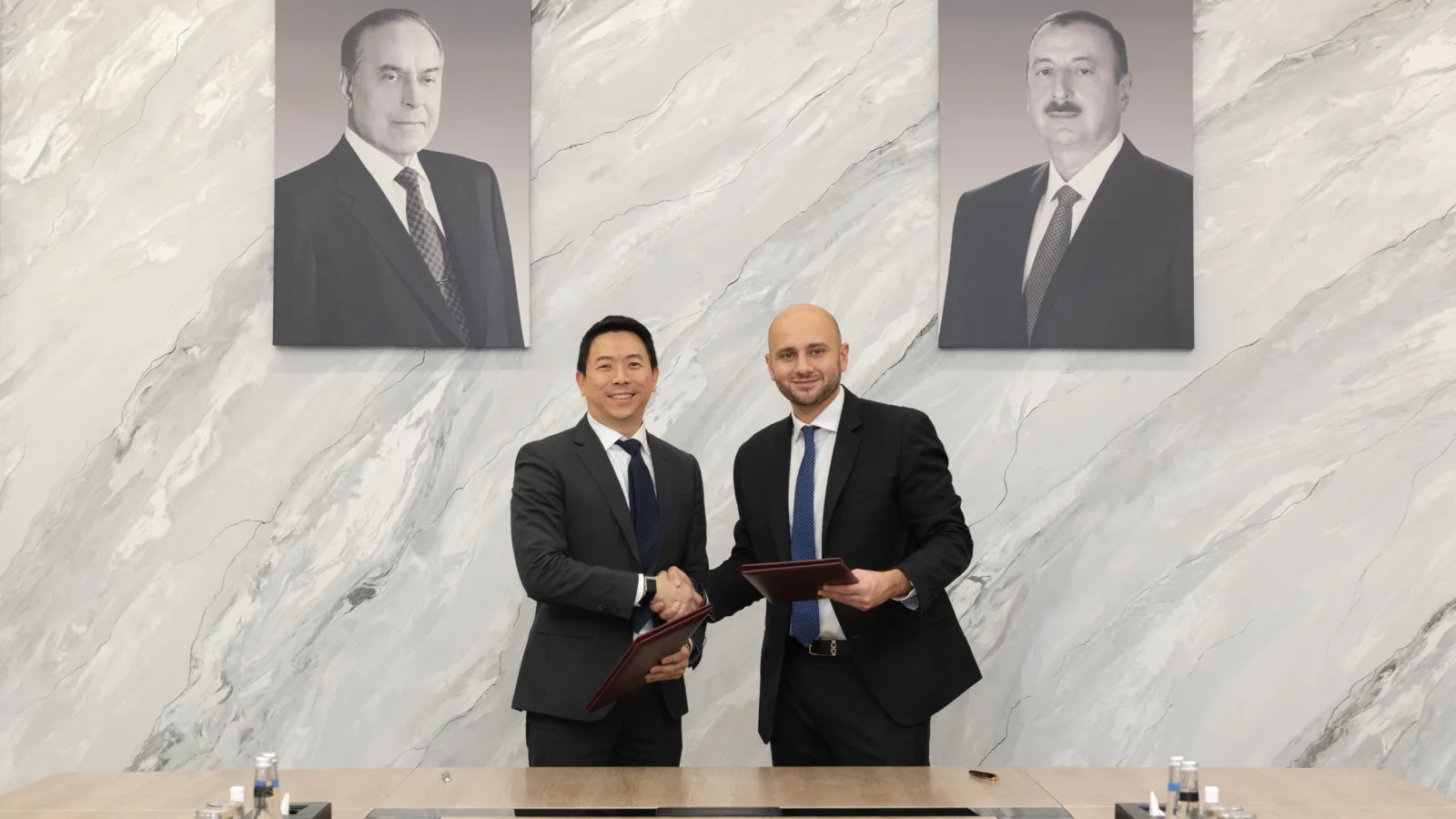
Presight and AzInTelecom have signed a Memorandum of Collaboration to promote and commercialise SİMA, Azerbaijan's state-developed digital identity platform, in international markets. The agreement pairs AzInTelecom's established identity technology with Presight's experience deploying AI-enabled systems for governments and large institutions globally.
SİMA was developed by AzInTelecom in 2022 and allows users to obtain a legally recognised digital signature remotely via a mobile application, removing the need to visit a physical service centre. The platform has been downloaded more than seven million times inside Azerbaijan, giving the partners a live deployment record to present to prospective international buyers.
The deal
Under the collaboration, the two organisations will jointly identify markets and develop commercial pathways for SİMA. The release does not specify target geographies, a revenue-sharing structure, deal terms, or a timeline for first international deployments. No anchor government customer outside Azerbaijan has been announced.
Elkhan Azizov, General Director of AzInTelecom, said the platform's domestic adoption "demonstrates the potential of locally developed technology to address real-world digital infrastructure requirements." Presight chief executive Thomas Pramotedham framed the partnership around data sovereignty and operational resilience, describing trusted identity as "a critical layer of modern digital infrastructure."
Presight is listed on the Abu Dhabi Securities Exchange and is majority-owned by G42, the Abu Dhabi-based technology conglomerate with an expanding portfolio of AI and digital infrastructure assets. That ownership gives the partnership access to sovereign wealth-backed commercial networks across the Gulf, Africa and parts of Asia, though the release does not name any specific target markets.
Market context and regulatory landscape
Digital identity is a rapidly growing segment of govtech and digital-infrastructure procurement, driven by governments seeking to migrate citizen services online while maintaining security and legal certainty. Competing platforms range from EU member-state eIDAS-compliant national schemes and commercial providers such as IDEX Biometrics, Thales, and Idemia to open-standards frameworks backed by the World Bank's ID4D initiative.
For SİMA to gain traction internationally, interoperability with regional standards will matter considerably. Within the European Economic Area, the revised eIDAS 2.0 regulation mandates a European Digital Identity Wallet for all member states by 2026, raising the bar for non-EU vendors seeking to operate at the same assurance levels. In Gulf and African markets, regulatory frameworks are less uniform, which may create earlier commercial opportunities for a platform with a proven sovereign deployment.
Data sovereignty is a consistent procurement concern for government identity contracts: buyers typically require that personal data remains within national borders or under nationally controlled infrastructure, a constraint that will shape the architecture and hosting model any international SİMA deployment requires.
The partnership is at an early, intent-setting stage. Investors and prospective customers will be watching for named market entries, assurance-level certifications, and confirmed institutional customers as evidence that the collaboration moves beyond the memorandum phase.