
REDARC acquires Samlex America to bolster North American power portfolio
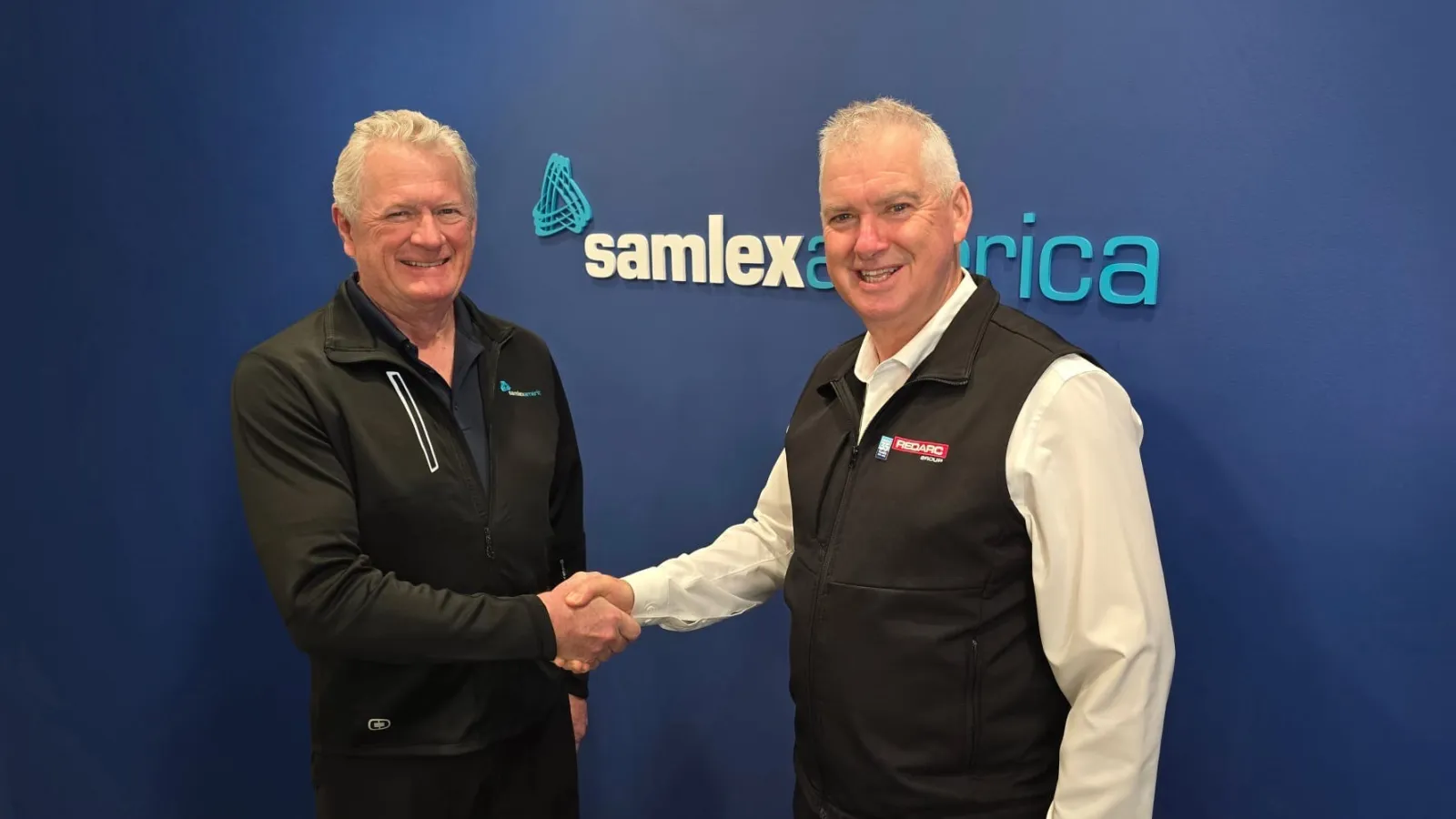
REDARC, the South Australian advanced electronics manufacturer, has completed the acquisition of Samlex America, a power conversion specialist founded in 1991 with commercial reach across more than 90 countries. The deal expands REDARC's North American footprint and adds Samlex's established range of power inverters, inverter/chargers, battery chargers, DC-DC converters and power supplies to its product portfolio.
Financial terms were not disclosed. Samlex will continue to operate under its existing brand and North American structure, with its current leadership team managing day-to-day operations. The companies said they would explore collaboration opportunities over time, focusing on product capability, customer support and sustainable growth.
The deal
REDARC, founded in Lonsdale, South Australia in 1979, built its business around power management, battery charging and vehicle-based electronics for automotive, commercial, industrial, defence and recreational markets. Samlex, headquartered in North America, serves telecommunications operators, commercial fleets, emergency-response agencies, government bodies, marine operators and the recreational-vehicle sector.
Anthony Kittel, chief executive of REDARC, said the acquisition brings "a strong portfolio of power conversion products, established customer relationships and a team with deep knowledge of its markets," which he described as complementary to REDARC's engineering and manufacturing base. Earl Berg, founder and chief executive of Samlex America, said selecting a partner with shared values around engineering quality and long-term customer relationships had been the primary consideration.
The combined entity serves a broad application spread across commercial fleets, telecoms infrastructure, industrial operations, emergency response, off-grid power and marine use cases. No revenue figures, combined headcount or pro-forma market-share estimates were provided in the announcement.
Market context
The power conversion and management sector is experiencing sustained demand growth driven by several structural trends: the electrification of commercial fleets, increasing deployment of off-grid and hybrid renewable-energy systems, and growing power-density requirements in edge computing and telecoms infrastructure. The recreational-vehicle market, a core Samlex channel, saw a sharp expansion in North America over the past several years and remains a meaningful volume driver for inverter and charger products.
REDARC's acquisition follows a wider pattern of Australian industrial-electronics companies pursuing international scale through bolt-on acquisitions rather than organic market entry, which can be slow and capital-intensive in markets where distributor relationships are the primary competitive moat. Samlex's distribution network across 90-plus countries gives REDARC a meaningful shortcut to channels that would otherwise take years to develop.
The power-conversion space hosts a range of well-established competitors, including Victron Energy, Mastervolt and a number of North American-focused OEMs, alongside the power-electronics divisions of larger industrial conglomerates. For REDARC to differentiate, it will need to demonstrate product integration between the two portfolios and leverage combined engineering resources to address higher-power or more technically complex applications over time.
Regulatory and standards read-across
Power conversion products sold into North American government, emergency-response and telecoms markets are typically subject to UL certification and, for federal procurement, compliance with Buy American provisions. The telecoms segment also falls within scope of FCC Part 15 and related electromagnetic-compatibility requirements. Neither company addressed certification or compliance positioning in the announcement, which editors and buyers in regulated verticals will want to see clarified. As REDARC expands into US government and defence channels, export-control and foreign-ownership considerations under CFIUS may also become relevant, given its Australian domicile.
The acquisition is described by REDARC as another step in its international expansion strategy, building on 45-plus years of electronics manufacturing. Near-term milestones to watch include any product-line rationalisation, cross-selling initiatives, and whether the combined group pursues further acquisitions to round out its North American industrial and telecoms presence.