
Crusoe and Araico to build 106 MW AI compute hub in Paraguay
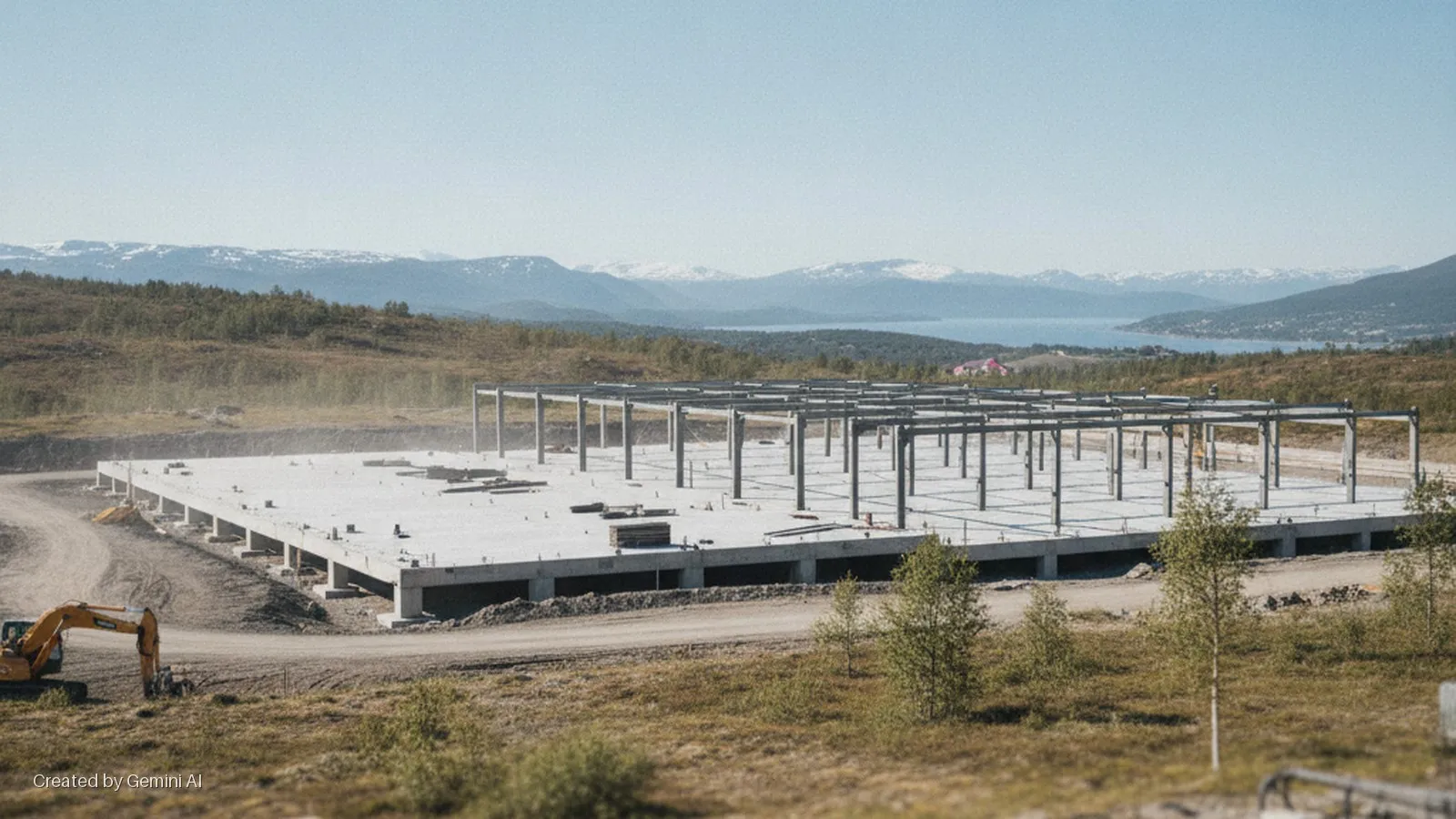
Crusoe, the US-based AI infrastructure operator, has announced a partnership with Paraguayan energy and infrastructure developer Araico to build a high-performance AI compute facility adjacent to the Itaipú Hydroelectric Dam. The deal marks Crusoe's first dedicated AI cloud deployment in Latin America and extends its "energy-first" strategy of locating data centre capacity directly at large, low-cost power sources.
Under the agreement, Crusoe plans to bring an initial deployment online by mid-2027, with a stated path to 106 MW of IT capacity and long-term options to scale further to approximately 280 MW. The facility will be positioned next to the Itaipú substation and will serve both US cloud customers and in-region demand across Latin America via Crusoe Cloud. Neither company disclosed capital expenditure figures, server configurations, or per-megawatt contract terms in the release.
The deal
The partnership assigns distinct roles to each party. Araico will lead local site development and civil infrastructure, while Crusoe will manage operations and deliver the physical compute layer powering Crusoe Cloud. Alejandro Zuccolillo, chief executive of Araico, said the arrangement would transform "energy abundance into high-tech industrial growth, local jobs, and digital innovation."
The announcement was signed during a visit by US Deputy Secretary of State Christopher Landau, who was leading a government business delegation in Asunción at the time. Landau described the project as potentially "the largest private foreign investment in Paraguayan history," a characterisation neither company verified with a specific investment figure in the release. Paraguayan President Santiago Peña also endorsed the project, framing it as a vehicle for establishing the country as a regional leader in AI infrastructure.
Cully Cavness, Crusoe's co-founder, president, and chief strategy officer, said: "Paraguay's unique history and geography have enabled one of the most abundant renewable power sources in the world through the Itaipú Hydroelectric Dam. Crusoe's energy-first strategy is designed precisely to unlock and add value to this kind of power resource through advanced digital infrastructure."
Market context
Crusoe's move into Paraguay reflects a broader trend among AI infrastructure builders to seek out low-cost, renewable power wherever it is geographically concentrated, rather than building in established data centre markets where power capacity is increasingly constrained. The company has previously built facilities co-located with stranded natural gas sites in North America and has been expanding into European markets. The Paraguay project represents the first significant Latin American deployment.
The Itaipú dam, jointly operated by Brazil and Paraguay on the Paraná River, is one of the world's largest hydroelectric plants by annual output. Paraguay consumes only a fraction of its allocated generation, making surplus power available at highly competitive rates. That structural advantage has attracted interest from crypto miners in previous years; AI compute operators are now pursuing the same arbitrage with considerably higher-value workloads.
Latin America's AI infrastructure market remains nascent compared with North America, Europe, and East Asia, but regional cloud demand is growing as enterprises in Brazil, Argentina, Colombia, and elsewhere scale digital operations. A facility serving both US hyperscaler overflow and local demand could allow Crusoe to position itself ahead of larger competitors before the region's requirements reach critical mass.
Regulatory and sustainability read-across
Data centre operators deploying in Paraguay will need to navigate local telecommunications licensing and foreign investment frameworks, as well as US export-control rules governing advanced GPU hardware. The project's 100% renewable power sourcing strengthens its positioning under the emerging cluster of sustainability reporting standards, including the EU's Corporate Sustainability Reporting Directive and US SEC climate disclosure rules, relevant to Crusoe's international customer base.
The mid-2027 timeline leaves roughly nine months for site preparation and permitting before the initial deployment phase. Investors and hyperscaler procurement teams will look for Crusoe to announce named anchor customers and publish power usage effectiveness targets as the build progresses.