
ACM Research adds acid recycle to Hot SPM wafer cleaning system
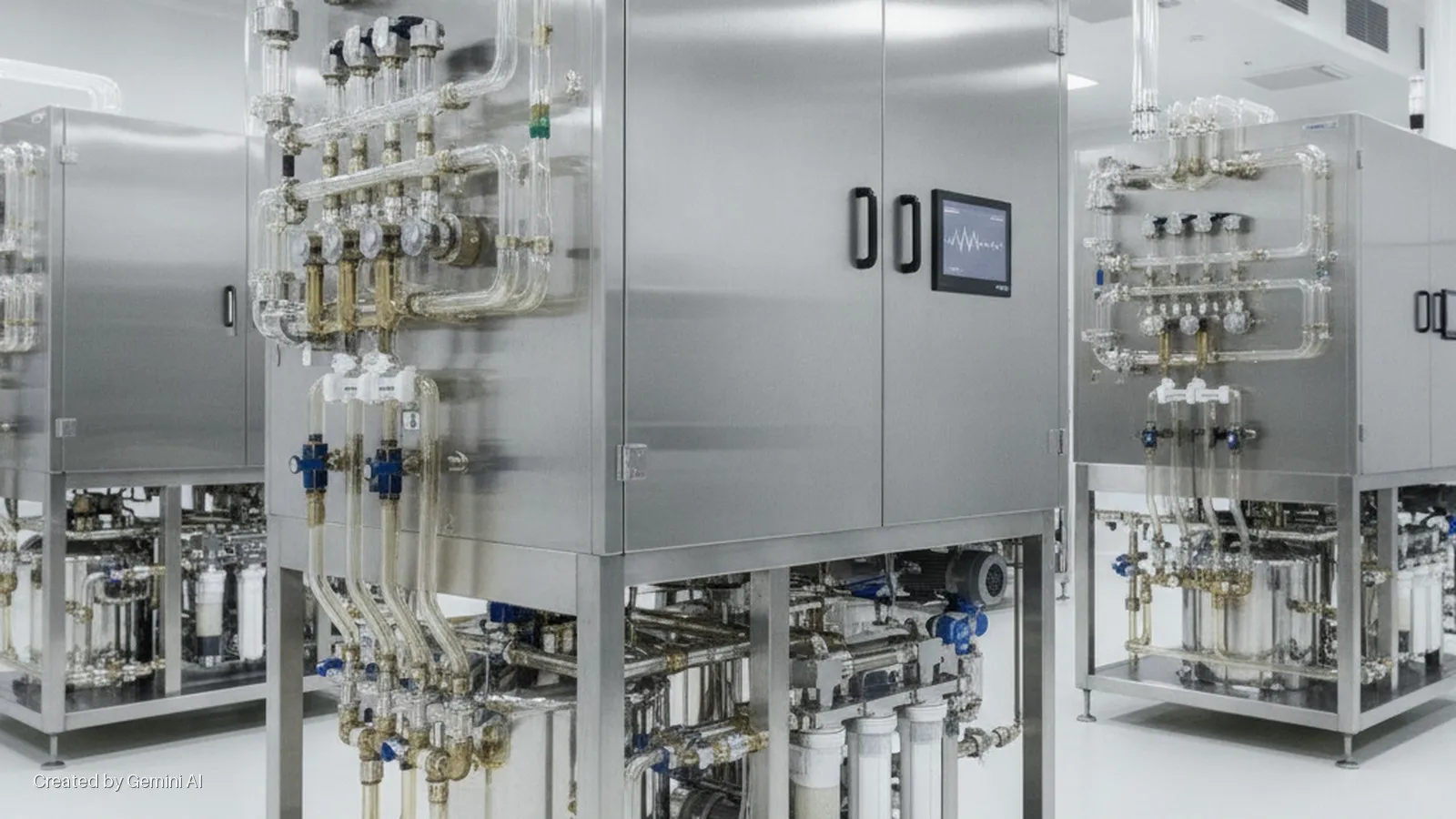
ACM Research (NASDAQ: ACMR) has unveiled an enhanced version of its 170°C Single-Wafer Hot Sulfuric Peroxide Mixture (SPM) cleaning system, adding a sulfuric acid recycle capability that the Fremont-based company says recovers 70% of the acid consumed during processing. The firm projects savings of approximately 400 tonnes of sulfuric acid per tool each year, framing the upgrade as both an environmental and an operating-cost improvement for chipmakers.
The enhanced platform has been validated by a foundry customer across more than 50 process layers, covering a wide range of cleaning applications from photoresist stripping to post-CMP cleaning and metallic impurity removal. ACM did not name the foundry customer or disclose commercial terms.
Technical differentiation
ACM says the system achieves particle counts of 15 or fewer at 15 nm and above, a metric the company positions as a meaningful step beyond what it describes as mainstream market alternatives. Conventional hot SPM tools periodically require deionised water rinsing to clear crystalline deposits caused by acid mist, which introduces downtime and variability. ACM's proprietary nozzle design is said to prevent that contamination, enabling stable cleaning performance without the periodic chamber-cleaning cycle and reducing overall maintenance burden.
The acid recycle capability is designed to recover and reuse a significant portion of the sulfuric acid mid-process while maintaining particle-control performance to customer specifications. ACM argues this allows fabs to reduce chemical consumption without compromising yield, an increasingly important consideration as leading-edge and advanced-packaging nodes demand tighter process windows.
David Wang, president and chief executive of ACM Research, said customers need technologies that "can meet increasingly demanding process requirements while improving manufacturing efficiency," and pointed to the foundry validation as evidence that the platform is ready for broad deployment.
Market and regulatory context
Chemical consumption and waste management are becoming material concerns for semiconductor fabs under tightening environmental regulation. In Europe, REACH restrictions and chemical authorisation obligations already constrain certain process chemistries; in Asia, where the bulk of high-volume wafer fabrication is located, stricter effluent and chemical-handling standards are being phased in across South Korea, Taiwan and China. Reducing acid usage per tool directly lowers both compliance exposure and chemical procurement costs, making the recycling capability a commercially relevant differentiator beyond simple sustainability optics.
ACM operates in a cleaning-equipment market alongside Applied Materials, Tokyo Electron, and a number of specialist tool suppliers. Single-wafer wet cleaning is a growth segment within that landscape: as device geometries shrink and three-dimensional structures proliferate in logic and memory, batch cleaning becomes less viable and single-wafer approaches gain share. ACM's competitive position in this niche rests partly on its ability to serve China-based fabs, a geography where it has historically generated a significant proportion of revenue, though ongoing US export-control pressures on semiconductor equipment sales to China remain a strategic variable the company has not addressed in this release.
Near-term outlook
The company has not disclosed a commercial launch timeline for the recycling-capable system beyond confirming foundry-customer validation. Investors will be looking for named customer wins, initial tool orders, and any indication of how the upgrade is priced relative to the existing platform. As advanced packaging volumes ramp and fab operators seek to contain chemical costs, the combination of yield-relevant cleaning performance and measurable acid savings gives ACM a tangible value proposition to bring to procurement conversations.