
Applied Materials and KIOXIA team up on AI memory R&D at EPIC Center
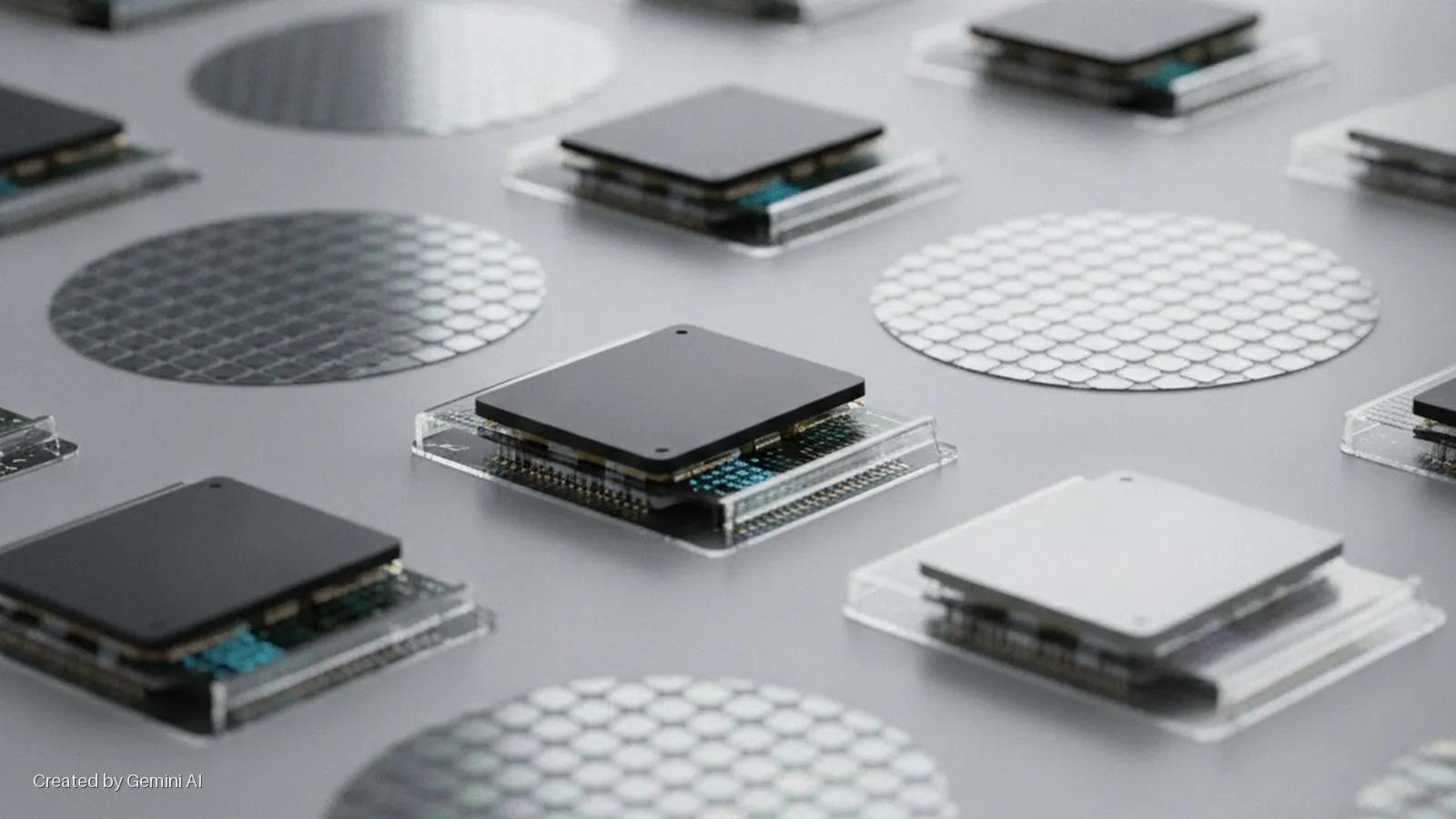
Applied Materials has announced that KIOXIA Corporation will join its Equipment and Process Innovation and Commercialization (EPIC) Center in Silicon Valley as an innovation partner. The two companies will collaborate on research and development spanning advanced memory-cell architectures, multi-chip stacking, advanced packaging, and materials engineering, with the stated aim of delivering higher-density, higher-bandwidth memory suited to AI infrastructure.
The EPIC Center, which Applied Materials describes as the largest-ever US investment in advanced semiconductor equipment R&D, carries an expected capital outlay of approximately $5 billion, scaling over time as customer projects commence. The facility is expected to reach operational readiness before the end of 2026. KIOXIA, listed among the world's largest producers of NAND flash memory and SSDs, joins an ecosystem that already includes chipmakers, chip designers, equipment suppliers and universities.
The partnership
The co-innovation programme covers four broad areas: creating denser memory-cell structures for AI applications; developing multi-chip stacking integration to raise density within constrained form factors; improving interconnect performance in advanced-packaging configurations for multi-die memory; and engineering new materials that support next-generation memory structures while remaining manufacturable at scale.
Gary Dickerson, president and chief executive of Applied Materials, said AI infrastructure demands memory capable of delivering "dramatically higher density, greater bandwidth and improved energy efficiency," and argued that combining KIOXIA's process knowledge with Applied's materials engineering capabilities would help define what is achievable in next-generation memory. Minori Kajimoto, general manager of advanced memory development at KIOXIA, added that the centre's co-location model would accelerate the path from research to commercial manufacturing.
Neither company disclosed financial terms for the partnership, revenue-sharing arrangements, or specific performance targets for the memory technologies under development.
Market context
Memory bandwidth and capacity have emerged as binding constraints on AI training and inference at scale. High-bandwidth memory (HBM), dominated by SK Hynix, Samsung and Micron, is already supply-constrained and commands significant premium pricing. KIOXIA's participation in the EPIC Center signals that NAND-based architectures, including stacked and near-memory configurations, are being actively repositioned as complementary or competing solutions for parts of the AI memory stack, particularly in inference and storage-class memory tiers.
Applied Materials occupies a central position in the semiconductor equipment supply chain alongside ASML, Tokyo Electron and Lam Research. The EPIC Center model, where Applied co-develops processes with end customers on-site, mirrors a broader industry shift toward tighter equipment-to-fab integration, reducing the cycle time between laboratory innovation and high-volume production. Intel, TSMC and Samsung have each been named as ecosystem participants in prior EPIC Center announcements, giving Applied multi-node visibility across leading-edge process nodes.
Regulatory and standards read-across
Advanced semiconductor collaboration between US and Japanese companies currently sits in a relatively permissive zone of export-control policy. US Bureau of Industry and Security (BIS) restrictions introduced since 2022 have focused on cutting-edge logic and HBM destined for certain end-users, rather than broadly restricting US-Japan memory R&D partnerships. However, the evolving scope of advanced-packaging controls means both companies will need to monitor BIS guidance closely as the EPIC Center programme matures, particularly if stacked-memory outputs approach thresholds defined in future rules.
For enterprise buyers and hyperscalers evaluating the AI memory roadmap, the partnership's practical output remains some years away. The EPIC Center's own operational readiness is expected this year, and commercialisation of novel memory structures typically takes two to four years from research milestone to qualified production. Investors will look for named technology milestones and initial customer qualification data as the clearest signals that the collaboration is on track.