
Nokia Q3 2026: AI and Cloud net sales double, margins improve
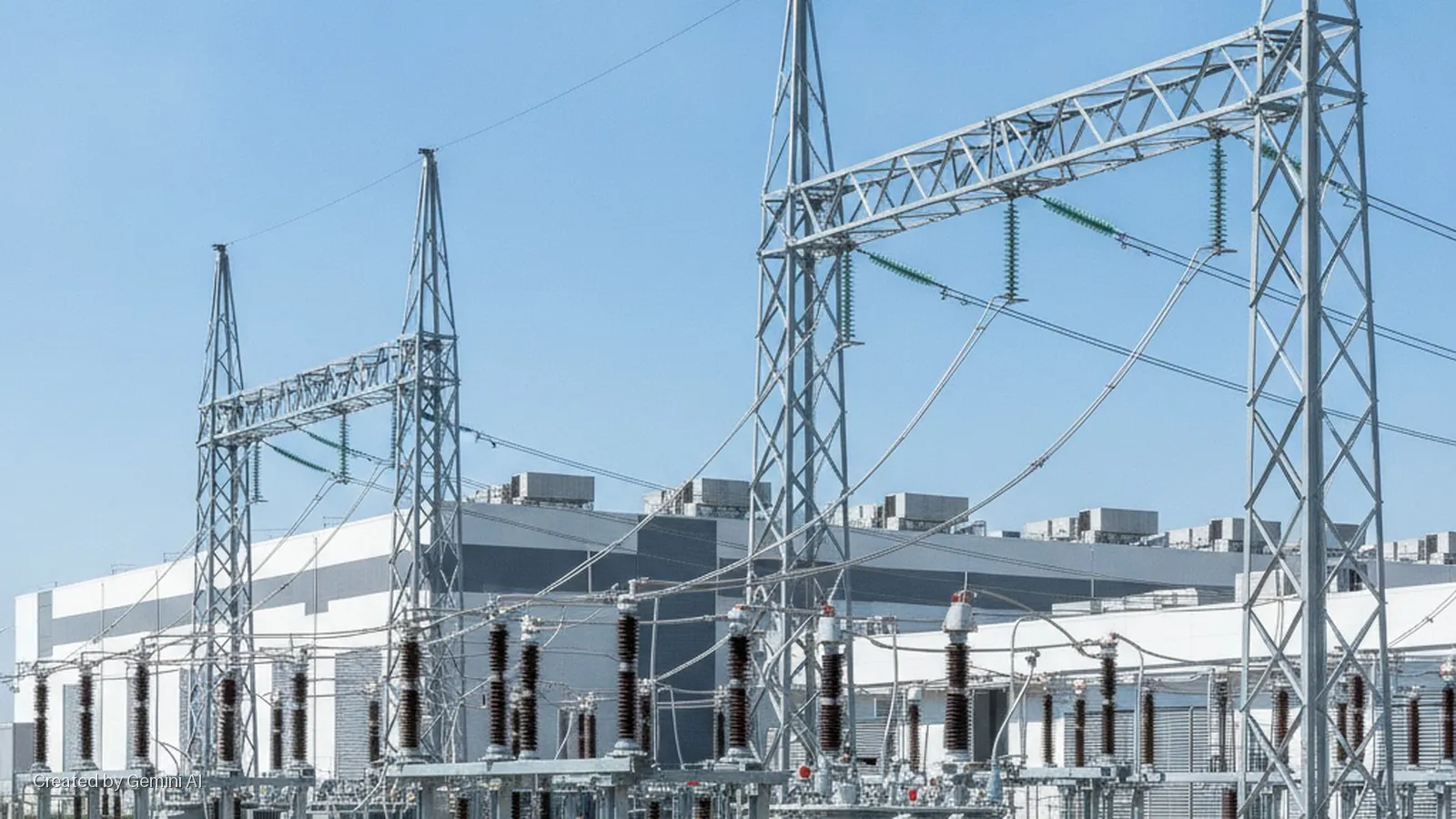
Nokia posted quarterly net sales of EUR 5.15 billion in its third quarter of 2026, a 10% increase on a reported basis and 9% on a constant-currency basis year-on-year. The Finnish telecoms equipment and infrastructure group said comparable operating margin improved 220 basis points to 11.7%, as revenue growth and ongoing cost reduction programmes offset the drag from accelerated restructuring charges that pushed reported operating margin down to 3.8%.
The standout figure was in AI and Cloud: group net sales to that customer cohort grew 123% year-on-year in Q3, with order intake rising 118%. President and chief executive Justin Hotard said the company secured EUR 1.5 billion in new orders from AI and Cloud customers during the quarter and that the combined Optical and IP Networks businesses are now expected to grow between 25% and 30% in 2027, revised upward from the prior assumption.
Network Infrastructure leads the charge
Nokia's Network Infrastructure segment was the primary growth engine, recording net sales of EUR 2.16 billion, up 17% year-on-year on a reported basis. Within that segment, IP Networks grew 43% and Optical Networks 18%, reflecting strong capital expenditure from hyperscalers building out AI backbone connectivity. Mobile Infrastructure net sales rose 5% to EUR 2.9 billion, though the company noted that some Q4 revenue was pulled forward into Q3.
Hotard cited Nokia's partnership with Google, linked to Google's EUR 13 billion investment in Finland, as an example of how the company is positioning its optical and IP networking portfolio as critical AI infrastructure. He also confirmed that Nokia, T-Mobile and NVIDIA completed what the company described as the world's first AI-RAN call in a live operator network during the quarter, an early commercial milestone for Nokia's AI-native radio access network platform.
The Infinera integration, following Nokia's acquisition of the US optical networking specialist, is on track to complete by the end of 2026, one year ahead of the original plan, with EUR 200 million of net synergies now expected.
Market context and competitive landscape
Nokia's strong AI-driven infrastructure results place it alongside Ericsson, Ciena and a growing cohort of hyperscaler-aligned suppliers competing to build the physical layer underpinning generative AI deployments. The 123% revenue growth figure from AI and Cloud customers is notable but reflects a period of rapid capital allocation by a small number of large hyperscalers rather than broad market demand, and concentration risk in that customer base remains a consideration.
The AI-RAN space is attracting significant attention from chipmakers, systems integrators and operators. NVIDIA's involvement in the Nokia-T-Mobile milestone underscores the increasingly software- and GPU-intensive character of next-generation radio networks. Commercial deployments, however, remain some distance away; Nokia has not disclosed pricing, coverage commitments or a production launch date for its AI-RAN platform.
On the financial outlook, Nokia left its full-year 2026 comparable operating profit guidance unchanged at EUR 2.1 billion to EUR 2.6 billion, while updating several underlying assumptions. Restructuring and associated charges have been increased to EUR 1.1 billion as the company accelerates operational simplification, and free cash flow conversion has been lowered to a 35-55% range, partly due to an additional EUR 400 million of working capital investment to secure component supply ahead of anticipated 2027 demand. A quarterly dividend of EUR 0.03 per share was declared on 22 October, with payment scheduled for 5 November 2026.
Nokia will publish its Q4 and full-year 2026 results on 28 January 2027.