
Al Gharbia Pipe deploys AI inspection to bolster UAE supply chain
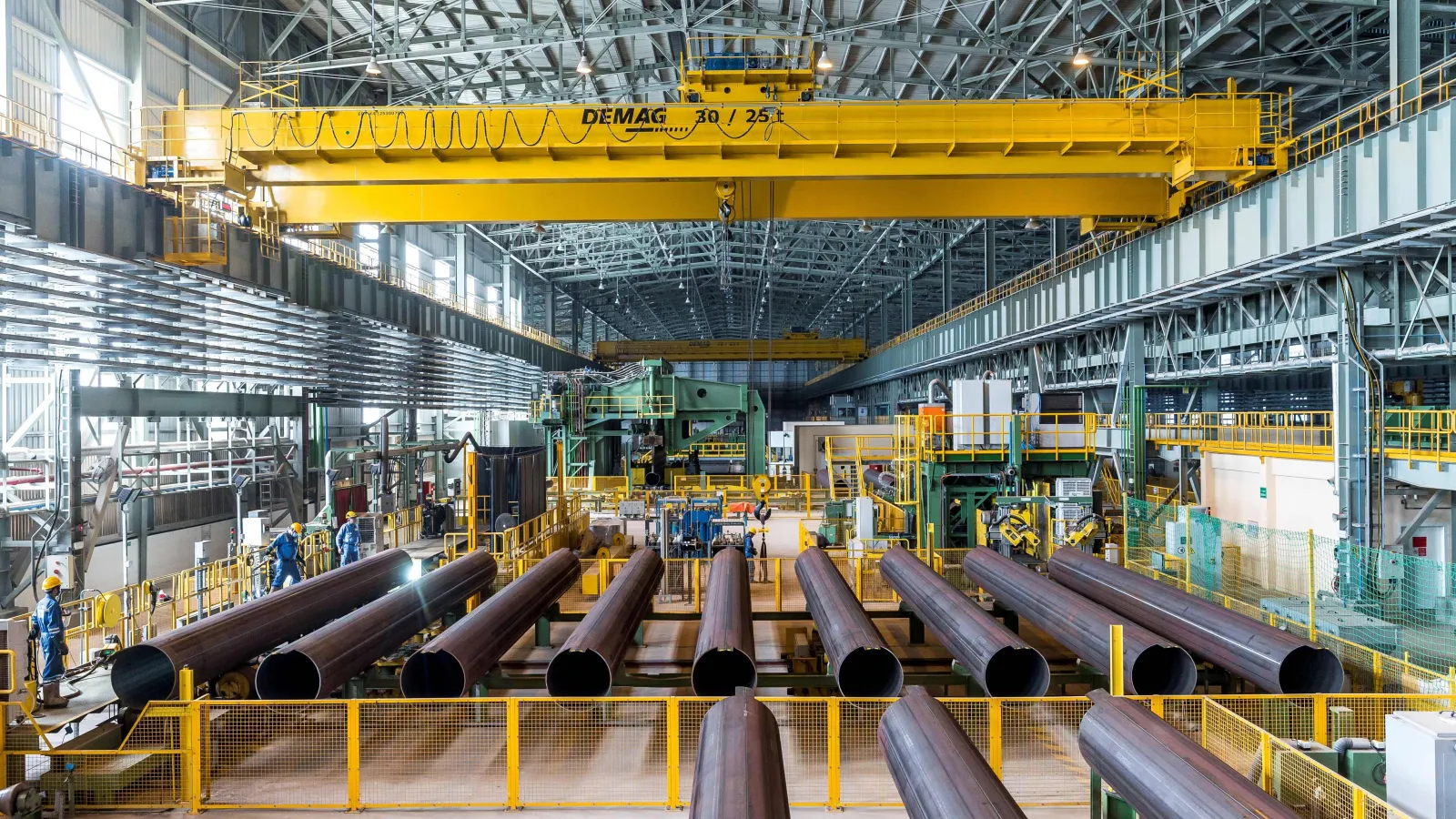
Al Gharbia Pipe Company (AGPC), a joint venture steel pipe manufacturer based in Abu Dhabi's Khalifa Industrial Zone, says it has deployed AI-powered quality inspection and safety monitoring systems across its production line to reduce defect rates and operational risk. The company is positioning these capabilities as a contribution to energy supply chain resilience across the UAE and the wider Middle East, at a time when regional shipping disruptions have heightened pressure on alternative logistics routes.
AGPC supplies longitudinally submerged arc welded (LSAW) steel pipe to major pipeline projects. The company said it delivered approximately 360,000 metres, or 220,000 metric tons, of pipe to a large oil pipeline project described as an alternative export pathway for the UAE. The company did not name the pipeline project or the contracting counterparty.
Manufacturing and logistics capabilities
The company's AI systems are described as identifying potential defects quickly and accurately, while also flagging workplace safety risks before incidents occur. AGPC says these tools work alongside broader automation and Industry 4.0 digital production technologies to improve traceability and reduce operational risk. No specific benchmark data, defect-rate improvements or vendor names for the underlying AI tooling were included in the announcement.
On the logistics side, AGPC says access to Khalifa Port and Jebel Ali Port on the Arabian Gulf, plus the Port of Fujairah on the Gulf of Oman, provides route redundancy for both incoming steel plate and outgoing pipe exports. The multi-port structure is intended to keep deliveries moving if any single shipping lane is disrupted.
Chief executive Noritsugu Mifune said the company is "integrating AI, automation and Industry 4.0 technologies throughout our operations," adding that this is delivering "higher quality, greater efficiency and a more robust supply chain."
Energy transition readiness
AGPC also says its pipe manufacturing process meets ASME B31.12 standards, which govern hydrogen piping systems and address hydrogen embrittlement fracturing. The company is presenting this compliance as evidence of readiness to support low-carbon fuel infrastructure, including potential hydrogen transit pipelines, as regional decarbonisation ambitions develop.
The hydrogen-ready claim is worth contextualising. ASME B31.12 certification is an established engineering standard, not a novel differentiator in the LSAW pipe sector; a number of pipe manufacturers serving energy markets hold equivalent or comparable accreditations. The more commercially significant question for buyers will be whether AGPC can compete on delivery lead times and cost as Middle Eastern national oil companies accelerate infrastructure investment.
Market context
The LSAW steel pipe market in the Middle East is shaped largely by state-owned energy majors such as ADNOC, Saudi Aramco and QatarEnergy, which collectively drive enormous capital programmes across oil, gas and emerging clean-energy infrastructure. AGPC's ownership structure, which includes Senaat (a subsidiary of Abu Dhabi's ADQ sovereign holding company) alongside Japan's JFE Steel and Marubeni Itochu Steel, gives it both domestic preferential positioning and access to Japanese steelmaking technology.
The EU's Carbon Border Adjustment Mechanism and growing ESG scrutiny on steel supply chains are beginning to shape procurement decisions for European-linked energy projects, even when manufacturing is based in the Gulf. AGPC's ISO 14001:2015 environmental management accreditation positions it to meet baseline requirements, though scope-3 emissions reporting for steel-intensive infrastructure remains an evolving area of regulation.
The company's near-term milestones to watch are named contract wins on hydrogen infrastructure projects and any published performance data for its AI inspection systems, both of which would substantiate the resilience narrative it is advancing.