
Coheria claims $1.2bn audited output from collaborative AI teams
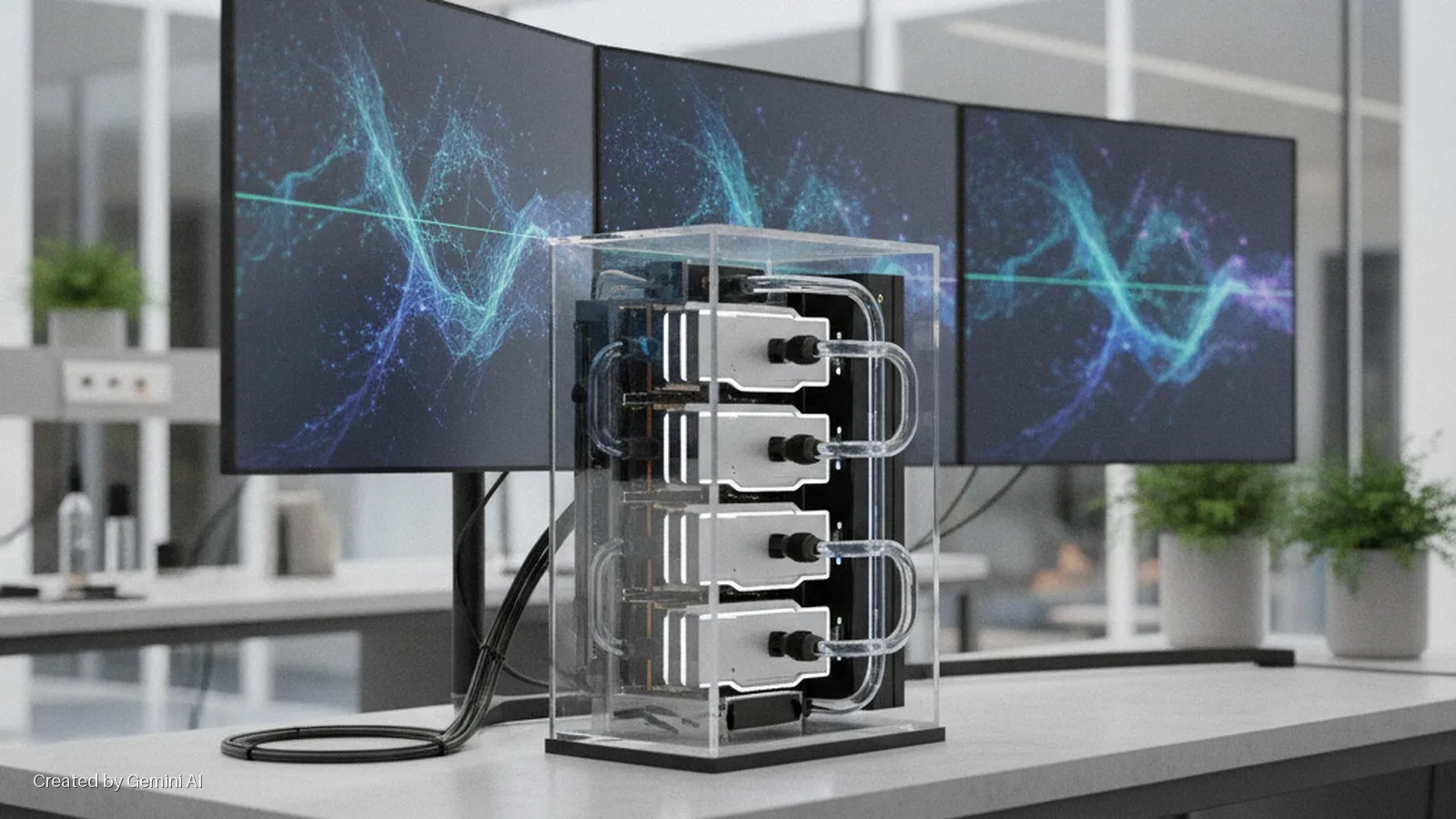
Coheria, a Boulder, Colorado startup founded in 2026, has publicly introduced a collaborative AI platform it says produced $1.2 billion in audited output over the past year. The company organises open-source AI models into specialist teams that review each other's work, rather than routing requests to a single large model that, in effect, checks its own output. Invite-only alpha access to the first two consumer and SME products is planned for early 2027.
The core claim is striking: the company says its AI teams generated 7.3 million distinct lines of code and 187,000 function points over twelve months, with the two human founders, chief executive Ken Tola and co-founder Keith Withington, responsible only for architecture and strategic direction. The figures are described as coming from an AI audit; Coheria did not identify the auditing party or provide a methodology summary in its release.
How the platform works
Coheria's approach centres on what Tola calls adversarial validation. Each AI team is drawn from different model families, ensuring that the model reviewing a piece of work is never the one that produced it. A component called the Stickler enforces this by holding back any output that skipped a required step. A real-time decision map records which model made which choice and why, giving users a point of intervention before output is finalised. The company says more than 23 per cent of total work over the past year consisted of these adversarial validation cycles.
Tola frames the platform as a deliberate alternative to frontier-model API spend. "The fastest-growing line in most AI budgets is model API spend," he said. "Capability comes from how the models are organised and work together rather than which model you can afford." The platform is delivered as SaaS; Coheria owns, hosts and secures the infrastructure, while end-user data and output remain owned by the customer.
Three products are planned: Kindred, a personal assistant for households; Inspire, a back-office tool for small service businesses; and Praxis, aimed at regulated enterprises, starting with banking. Alpha access to Kindred and Inspire is expected in Q1 2027; Praxis has no stated timeline.
Market context and competitive positioning
Coheria is entering a market already crowded with multi-agent and orchestration frameworks. LangChain, AutoGen, CrewAI and a range of enterprise vendors have each built approaches to chaining or coordinating multiple models; the hyperscalers have their own agent runtimes embedded in AWS Bedrock, Azure AI Studio and Google Vertex AI. The differentiated claim here is the adversarial, cross-family review loop rather than cooperative task delegation, which is a less common architectural choice but not a unique one. Academic research into debate-based and critic-model approaches to AI reliability predates Coheria's founding.
The $1.2 billion "audited output" figure is the headline number, but readers should note it is self-reported, the auditing methodology is undisclosed, and Coheria has not yet launched a commercial product. The company was founded in 2026 and has no named customers or disclosed funding. For regulated enterprise buyers, particularly in banking where Praxis is targeted, questions around model provenance, explainability, and compliance with financial-services AI guidance from regulators such as the UK FCA or the US OCC will need clear answers before procurement conversations advance.
The open-source model strategy does sidestep some of the frontier-model licensing risk that enterprises are beginning to scrutinise, but it also places the compliance and safety burden squarely on Coheria as the platform operator. As the EU AI Act's obligations for general-purpose AI systems phase in, and as the UK government develops its own AI governance framework, multi-model orchestration platforms will face increasing pressure to document model lineage and validation processes. Coheria's decision map feature is well positioned to address at least part of that requirement, assuming it can demonstrate audit-grade rigour to independent reviewers.