
Gecko Robotics' Navy contract quadruples to $300m on readiness results
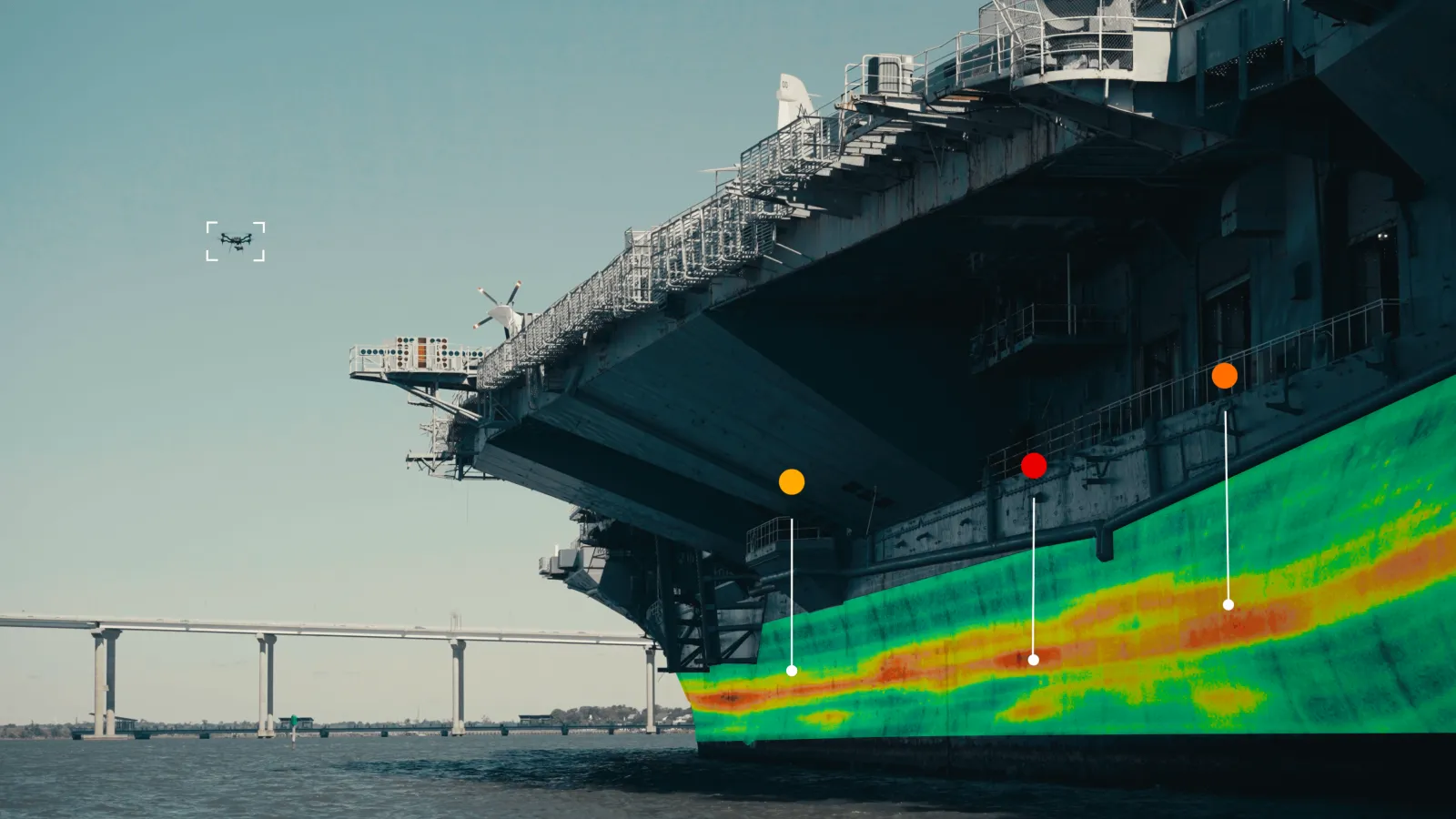
Gecko Robotics has seen its U.S. Navy and General Services Administration contract ceiling jump from $71 million to $300 million, just six months after the original indefinite-delivery, indefinite-quantity award. The Pittsburgh-based robotics and AI company says the expansion reflects demonstrated performance in fleet inspection and structural monitoring, rather than a fresh procurement cycle driven by unfulfilled potential.
The contract covers the deployment of Gecko's robotic systems across naval assets to cut maintenance turnaround times and identify structural faults before vessels enter drydock. The company claims its technology can save up to $8 million in repair costs per ship and compress inspection timelines by up to 50 times compared with conventional manual methods, reducing processes that previously took months to a matter of days.
Komodo and Cantilever: the technical core
Central to the expanded scope is Komodo, Gecko's proprietary wall-climbing robot. The system scans hull decks through thick non-skid coatings without stripping them, generating full-deck heatmaps of corrosion levels and material thickness. That output feeds into Cantilever, Gecko's AI software platform, which converts sensor data into structural models and flags both current defects and predicted future failures, including anomalies invisible to human inspectors.
Co-founder and chief executive Jake Loosararian said the engagement signals a shift in the Pentagon's posture on robotics and AI. "The conversation around AI and robotics in defence is no longer about experimental technology. It's about delivering measurable and impactful returns," he said. The Chief of Naval Operations has set a fleet readiness target of 80%, and Gecko's systems are positioned as a contribution toward that goal.
Market and policy context
The contract expansion sits within a broader push by the U.S. Department of Defense to industrialise AI and autonomous systems rather than treat them as pilot programmes. The Pentagon's AI and Data Accelerator initiative and successive National Defense Authorisation Acts have steadily increased budget allocations for autonomous inspection, predictive maintenance and digital-twin technologies across all service branches.
Gecko is not alone in this market. A number of well-funded startups and established defence contractors are competing for robotic inspection and structural-monitoring contracts across naval, aerospace and energy infrastructure. Competitors range from specialised drone inspection firms to divisions of large primes integrating AI analytics into legacy maintenance platforms. Gecko's competitive claim rests on the combination of hardware agility (robots that climb, crawl, fly and swim) with a proprietary software layer, rather than on either element alone.
From a regulatory and procurement standpoint, IDIQ vehicles of this scale are increasingly the preferred contracting mechanism for technology capabilities the DoD wants to scale without locking into fixed specifications early. The ceiling increase, rather than a new standalone contract, is consistent with that approach and suggests the Navy is satisfied with the vehicle's performance terms and Gecko's ability to staff additional task orders. Export-control considerations under ITAR and EAR will constrain how freely Gecko can replicate this model with allied navies, though the company's boilerplate mentions international energy and manufacturing customers.
Gecko Robotics has not disclosed revenue, headcount or post-money valuation figures in this release. Investors and observers will be watching for the rate at which task orders are drawn down against the $300 million ceiling as the more meaningful indicator of commercial momentum.