
Duos Technologies signs 20 MW colocation deal, eyes 100 MW expansion
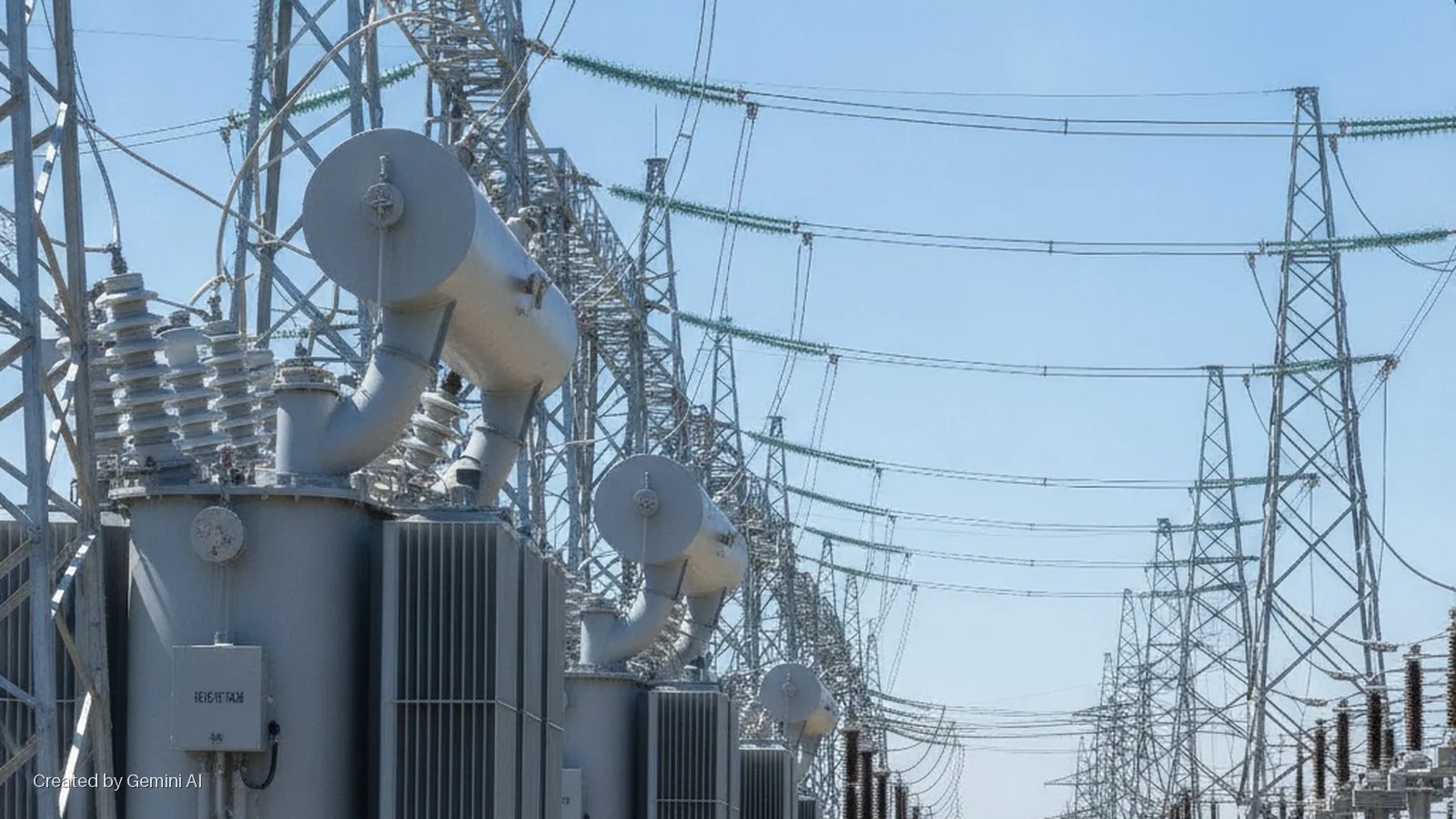
Duos Technologies Group has signed a 10-year colocation agreement covering 20 megawatts of facility load with an unnamed publicly traded US cloud services provider, the Jacksonville, Florida-based company said on 20 October 2026. The contract is valued at over $400 million across its initial term and is expected to go live in Q2 2027 within Duos's Edge AI campus portfolio.
Separately, Duos said it is under contract and in active negotiations to secure approximately 100 MW of additional powered, data centre-zoned land across multiple US sites. Some 25 MW of that total is already under contract; the remaining roughly 75 MW is subject to ongoing negotiations. The company said it expects all site agreements to be finalised by the end of 2026.
The deal
Chief executive Doug Recker said the agreement reflects rising customer demand for quickly deployable, power-dense infrastructure. "Our modular architecture, contract-first approach, and ability to identify attractive expansion opportunities continue to differentiate Duos in the marketplace," he said. "As AI, cloud, content delivery, and enterprise computing requirements grow, we believe we are well positioned to quickly expand our customer base and increase contracted revenue."
Duos operates on what it calls a contract-first development model, meaning it secures customer commitments before committing material capital to site build-out rather than developing speculative capacity. The company cited the speed of its Columbus, Georgia campus as evidence of execution pace: that site moved from land acquisition to 7 MW of installed infrastructure in approximately 60 days. The new sites under negotiation were screened against the same criteria, Duos said.
The company's Duos Edge AI brand targets Tier 3 and Tier 4 markets, positions it positions as underserved by the hyperscaler-anchored campuses that dominate primary metro markets. Its modular architecture is designed for high-power-density workloads associated with AI inference and training, as well as broader enterprise and content-delivery computing.
Market context
The announcement lands in a data centre market where power constraints are increasingly the primary bottleneck to growth. Hyperscalers and large enterprise tenants are looking beyond primary markets such as Northern Virginia, Phoenix, and the Dublin corridor, partly because interconnection queues and power-grid delays in those locations have extended timelines to two to three years in some cases. Smaller, modular operators targeting secondary markets are capturing demand from tenants willing to trade some connectivity density for faster deployment.
Duos competes in a fragmented segment of the colocation market that includes a number of regional and edge-focused operators, alongside the wholesale arms of larger REITs. Its contract-first model is a common discipline among smaller developers seeking to avoid the capital exposure of speculative builds, though it also means revenue ramp is conditional on finalising negotiations that, as the company's own forward-looking statement cautions, may not result in completed transactions.
The identity of the 20 MW cloud tenant has not been disclosed, which limits independent assessment of counterparty creditworthiness. Investors and analysts will be watching for confirmation of the remaining 75 MW negotiations concluding by year-end, as well as a named first anchor tenant for the expanded portfolio. With AI-driven compute demand continuing to pull forward infrastructure investment across the industry, the Tier 3 and Tier 4 edge segment is attracting growing capital, but execution timelines and grid interconnection remain key risks for smaller operators.