
AMD deepens Meta partnership with Helios rackscale and $1bn equity stake
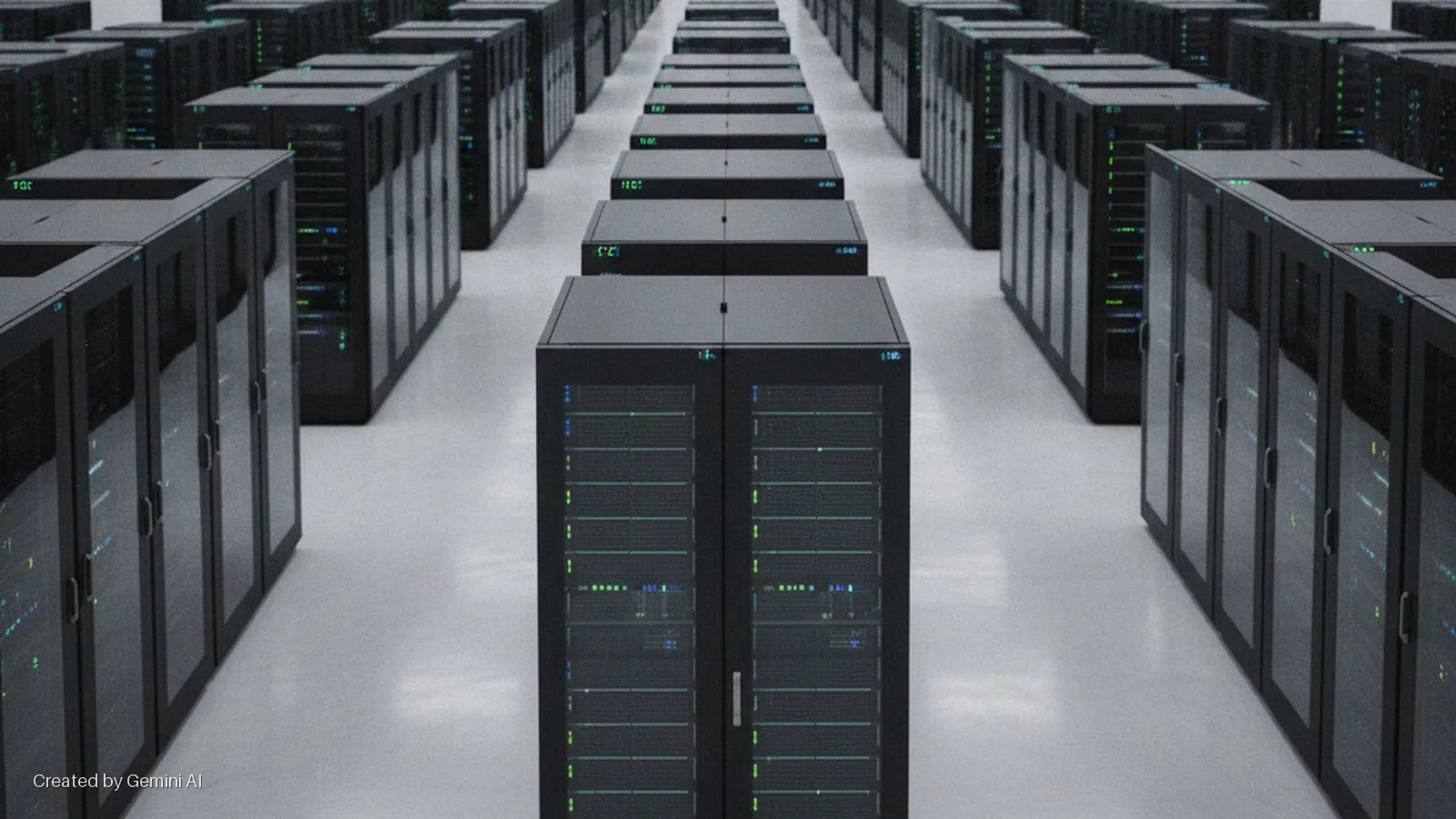
AMD has formalised a broad expansion of its strategic partnership with Meta, disclosing that its Helios rackscale systems are now installed and under test at Meta, with wider deployment expected in the near term. Alongside the hardware announcement, AMD confirmed it will invest $1 billion in Meta's equity offering, a move that transforms a supplier relationship into a financial one and signals long-term alignment between the two companies.
The deal spans the full AMD product stack. EPYC processors underpin the dedicated compute environments behind Meta's Muse personal AI agent, with Meta having deployed millions of EPYC units across multiple generations and serving as a lead customer for the sixth generation of the chip. The two companies are already collaborating on a future generation codenamed "Verano." AMD Instinct GPUs are running in Meta's production infrastructure for training, ranking and recommendation workloads; Meta was also a lead definition customer for the Instinct MI450 architecture and will deploy a custom variant optimised for its specific workloads. Co-development is also informing AMD's Instinct MI500 series roadmap and the next generation of rack-scale systems.
"AMD has been a key partner in building out the compute that's running our frontier models," said Mark Zuckerberg, founder and chief executive of Meta. "We're making big investments in the computing power that will enable us to bring personal superintelligence to everyone, and AMD plays an important role in that."
Software and open-source collaboration
Beyond silicon, the partnership has a significant software dimension. AMD and Meta have worked together on ROCm integration with PyTorch, enabling AMD GPU support out of the box for developers. AMD also delivered Day-0 support for Meta's Muse Spark Open models on Instinct GPUs and for Muse Glimmer on Ryzen AI PCs and Radeon GPUs. The companies have jointly contributed optimisations for recommendation-model training on Instinct MI350X GPUs back into the PyTorch, Triton and ROCm open-source projects, which benefits the broader developer ecosystem rather than remaining proprietary to Meta.
Market context and competitive read
The announcement positions AMD more directly against Nvidia in the hyperscale AI accelerator market. Nvidia has long held the dominant share of GPU compute at major cloud and internet companies, and its CUDA software ecosystem has been a persistent barrier to GPU diversification. AMD's ROCm investments and its willingness to co-design silicon with anchor customers such as Meta represent the clearest attempt yet to offer a credible full-stack alternative.
Meta's AI infrastructure ambitions are operating at unusual scale: the company has publicly committed to spending tens of billions of dollars on AI capex in the current and coming years, covering both internal deployments and third-party capacity. Securing a deep AMD relationship diversifies Meta away from single-vendor GPU dependency, which also gives AMD leverage in pricing and roadmap negotiations that it previously lacked.
For AMD investors, the $1 billion equity commitment is notable. It converts the chipmaker from a pure supplier into a stakeholder with a financial interest in Meta's success, a structure more commonly associated with strategic joint ventures than hardware supply agreements. The terms of the equity investment, including any lock-up provisions, were not disclosed in the release.
Both companies have aligned product roadmaps and engineering teams around current and future workloads, with the stated ambition of building AI systems at gigawatt scale. The Helios rackscale platform, which integrates AMD compute, networking via Pensando, and systems software, is the primary vehicle for that ambition. Broader deployment timelines beyond "near future" were not specified.