
NatPower Marine joins ZEBOX to scale maritime energy infrastructure
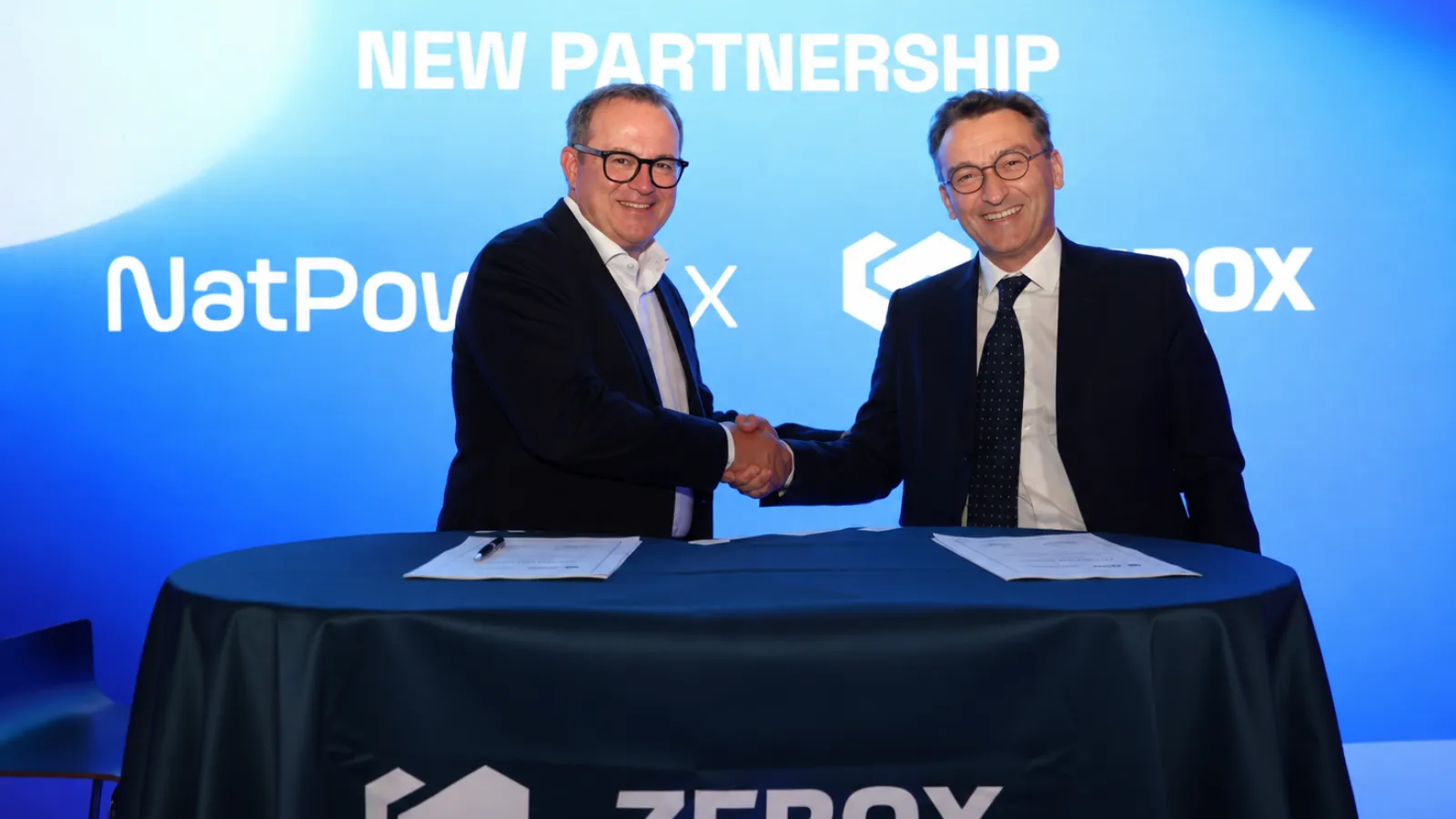
NatPower Marine, the infrastructure development and operating arm of NatPower Group, has entered a strategic partnership with ZEBOX, the international innovation accelerator founded in 2018 by CMA CGM Group chairman Rodolphe Saadé. The arrangement brings NatPower Marine into ZEBOX's ecosystem of startups, corporate partners and maritime stakeholders, with the stated goal of accelerating the build-out of shore power, electric vessel charging, battery storage, grid connection and integrated energy management at ports and shipping terminals.
The partnership was announced on 29 October 2026. No financial terms were disclosed, and the release did not name any specific port authority, shipping line or technology startup as an initial project partner.
The deal
Under the arrangement, NatPower Marine will work within ZEBOX's network to evaluate emerging technologies against real operational requirements, then provide the infrastructure development, financing and project execution capabilities needed to move promising use cases beyond pilot stage. ZEBOX, which operates across six regions and counts CEVA Logistics, Jifmar Group, Transdev, PSA Ventures and Orange among its corporate backers, contributes the innovation pipeline and the CMA CGM Group's direct operational demand signal.
Frédéric Guilleux, chief executive of ZEBOX, said the addition of NatPower Marine brings "critical energy infrastructure expertise that can help our startups and corporate partners turn innovative solutions into concrete projects and accelerate the transition towards cleaner maritime transport."
Fabrizio Zago, global chief executive of NatPower, characterised the tie-up as a recognition that the maritime energy transition requires more than technology: "It requires energy, infrastructure, capital and operational capability to come together around real demand." NatPower Group claims more than 25 years of energy-sector experience through its broader portfolio.
Market context
The partnership lands at a moment of intensifying pressure on port operators and shipping lines to cut scope 1 and scope 3 emissions. The International Maritime Organisation's revised greenhouse gas strategy, adopted in 2023, targets net-zero shipping emissions by or around 2050, with intermediate reduction milestones in 2030 and 2040. The EU's FuelEU Maritime regulation and the EU Emissions Trading System extension to shipping, which came into force in 2024, are adding direct cost pressure on vessel operators calling at European ports, sharpening commercial demand for viable shore-power infrastructure.
Shore power, sometimes called cold ironing, allows berthed vessels to shut down auxiliary engines and draw electricity from the grid, cutting localised emissions significantly. However, deployment has been constrained by the capital intensity of port-side grid upgrades, the fragmented ownership of port concessions and the absence of standardised charging specifications across vessel classes. A number of well-funded energy and infrastructure players are pursuing similar integrated models, combining project development with on-balance-sheet financing to de-risk port operators, but the sector remains nascent and scale deployments are rare.
Standards and regulatory read-across
For NatPower Marine, ZEBOX's corporate network offers a route to aggregated demand that could justify infrastructure investment at scale, the persistent commercial bottleneck in maritime electrification. Whether the partnership produces financed, operational projects, rather than pilots and feasibility studies, will be the metric that matters to the market.
Both organisations will need to navigate evolving EU state-aid rules for port infrastructure investment and the technical standards being developed by the International Electrotechnical Commission for high-power marine charging. The extent to which CMA CGM itself commits specific port berths or vessel classes to early projects will be a telling indicator of how far the partnership moves beyond the announcement stage.