
Porsche Mission S previews mid-engined super sports car platform
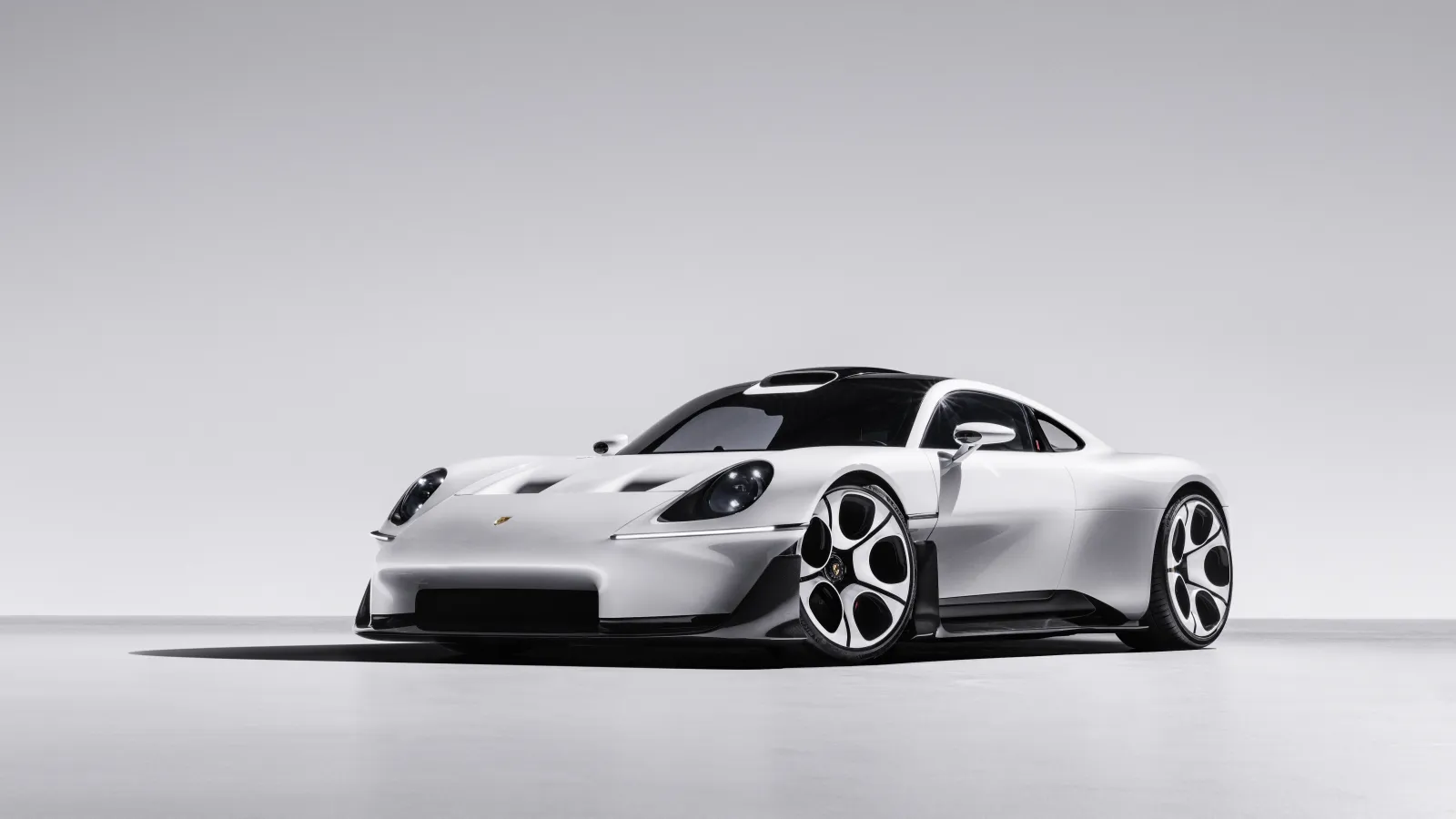
Porsche has unveiled the Mission S, a forward-looking vision model that previews the brand's next design language and confirms the development of a mid-engined super sports car platform sitting above the 911 in its permanent model lineup. The car made its world premiere on 15 October at a pier in Queens, New York, the same location where photographs of the original 550 Spyder were taken in 1953.
The reveal is part of Porsche's 'Sportwagenschmiede '35' strategic realignment. Chairman Michael Leiters described the Mission S as a glimpse of "the ideas and design features that will shape Porsche in the coming years," and was explicit that the platform is intended as a permanent, commercially available product rather than a limited-run hypercar.
Design intent
Tobias Sühlmann, Head of Style Porsche, said the Mission S represents "a fundamental strategic direction" that the company will translate into its future product portfolio. The exterior borrows selectively from Porsche's heritage: round headlights and torpedo fenders echo the 911, shut lines merging into light graphics reference the G-model 911, the flat front draws from the GT1, and the dynamic roofline is reminiscent of the 959. Wheels are derived from the 928's dial design and are optimised, the company says, for lightweight construction.
Inside, Porsche has made a deliberate move away from screen-heavy cockpit design. There is no permanently integrated centre display and no fixed passenger screen. Instead, a retractable MagSafe-compatible smartphone holder can be deployed when needed. Five round analogue instruments sit behind the steering wheel, with the rev counter physically moving closer to the driver in sport modes. The company says the approach prioritises direct interaction over interface complexity.
Market context
The super sports car segment is compact but fiercely competitive. Ferrari, Lamborghini and McLaren each maintain mid-engined halo models that combine brand prestige with advanced powertrain technology. Porsche's move to establish a permanent offering above the 911 is a direct response to that competitive landscape, and signals that the company sees headroom in the high-margin, lower-volume tier above its core sports car line.
The announcement also arrives at a sensitive moment for the Stuttgart manufacturer. Porsche AG has been navigating mixed signals on electric vehicle take-up, particularly in its Taycan line, and there has been public debate about the pace of the brand's electrification strategy. The Mission S release does not specify a powertrain for the production platform, and the company has not disclosed whether the super sports car will be fully electric, hybrid, or combustion-powered. That omission is likely deliberate: the platform architecture, the release states, is designed for "maximum flexibility."
Standards and regulatory read-across
Powertrain ambiguity matters commercially. EU CO2 fleet-average regulations tighten further from 2025 onwards, and a high-performance combustion model could affect Porsche's fleet compliance position. A hybrid or plug-in hybrid architecture would provide more regulatory headroom. The company has not indicated a production timeline, so the regulatory picture will have shifted further before the car reaches series production.
Investors in Volkswagen Group, Porsche AG's parent, will be watching closely. A credible halo product above the 911 could reinforce brand pricing power and average transaction values at a time when broader premium EV demand has been uneven across key markets. The next milestone to watch is a powertrain announcement and a confirmed production date.