
AMD Helion brings rack-scale open blueprint to agentic AI
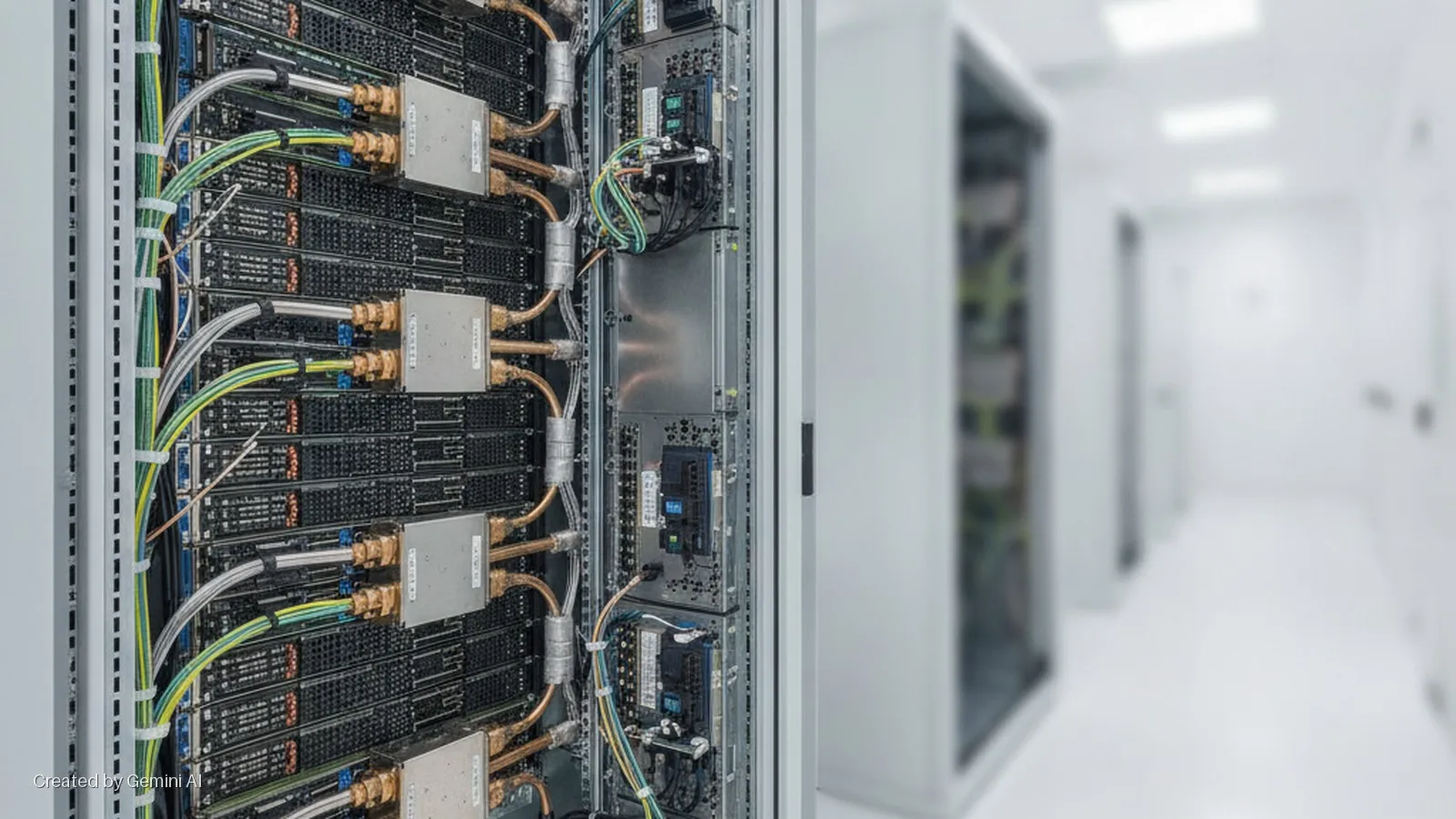
AMD has introduced the Helion agentic AI rack, an open rack-scale blueprint designed to give infrastructure partners and enterprise customers configurable compute density for agentic AI deployments. The system is based on an Open Compute Project specification and is powered by AMD's own silicon portfolio. Partner-built configurations are planned to reach the market in November 2026.
The architecture supports two primary configurations. The first is a CPU-only rack built around sixth-generation AMD EPYC processors, scaling to up to 32,768 CPU cores, targeting hyperscale operators that prefer to keep agent execution and model-inference infrastructure separate. The second is an all-in-one rack that combines EPYC CPU nodes with AMD Instinct MI350P GPU nodes alongside general-purpose compute, positioned as an integrated option for enterprise agentic AI deployments. Both liquid-cooled and air-cooled variants are supported. A built-in token router directs agent model calls across frontier and open-source models, which AMD presents as a differentiator for organisations running mixed-model estates.
Dan McNamara, senior vice president and general manager for Compute and Enterprise AI at AMD, said the company's goal was to allow partners to "build systems around customer needs and make efficient use of available power," reflecting the growing pressure on data-centre operators to optimise performance per watt as AI workloads strain grid capacity.
AMD plans to contribute the Helion specification to the Open Compute Project community for broader development. The move continues a pattern the company established with its earlier Helios rack-scale solution and signals an intent to establish open standards as a competitive lever against proprietary rack designs from rival vendors.
Ecosystem and partner backing
The announcement landed with a broad roster of hardware and integration partners, including Cisco, Dell Technologies, Hon Hai Technology Group (Foxconn), HPE, Lenovo, QCT, Supermicro and Wiwynn. The depth of the partner list is notable: each named partner contributes differentiated capability, from Cisco's network and security management stack to Supermicro's OCP-accepted rack integration and liquid-cooling expertise, and Dell's PowerRack ecosystem that extends Helion deployments with networking and storage. HPE explicitly referenced a recent customer agreement to deploy AMD Helios, suggesting commercial momentum ahead of the Helion launch.
The breadth of ecosystem commitment reduces single-vendor delivery risk and accelerates the path from reference design to production-ready systems, a gap that has historically slowed adoption of open rack blueprints in enterprise accounts.
Market and competitive context
Agentic AI infrastructure sits at the intersection of two fast-moving markets: AI compute and open rack standards. On the compute side, AMD is competing directly with Nvidia, whose proprietary GPU platforms and NVLink interconnects dominate current large-scale AI deployments, and with Intel, which has its own rack-scale ambitions under the Gaudi and Xeon lines. The open-standards angle is AMD's clearest point of differentiation: by anchoring Helion to OCP and contributing the specification to the community, AMD is betting that enterprise buyers will favour interoperability and flexibility over the vertical integration that Nvidia's ecosystem provides.
The power and cooling dimension is increasingly consequential. Data-centre operators across Europe and North America are facing grid-capacity constraints that make per-rack power budgets a first-order procurement criterion. Helion's support for both air-cooled and direct liquid-cooled configurations gives operators a migration path as rack power densities climb beyond the threshold where air cooling becomes uneconomic.
Regulatory context also bears watching. AMD's cautionary statement in the release flags US export regulations and national-security-based controls as material risks, a live concern given ongoing US Commerce Department restrictions on advanced AI chips destined for certain markets. Any Helion configurations incorporating Instinct MI350P GPUs will be subject to those export-control frameworks, which could constrain the addressable market for some partner deployments.