
Teradyne takes $300m stake in FormFactor in semiconductor test tie-up
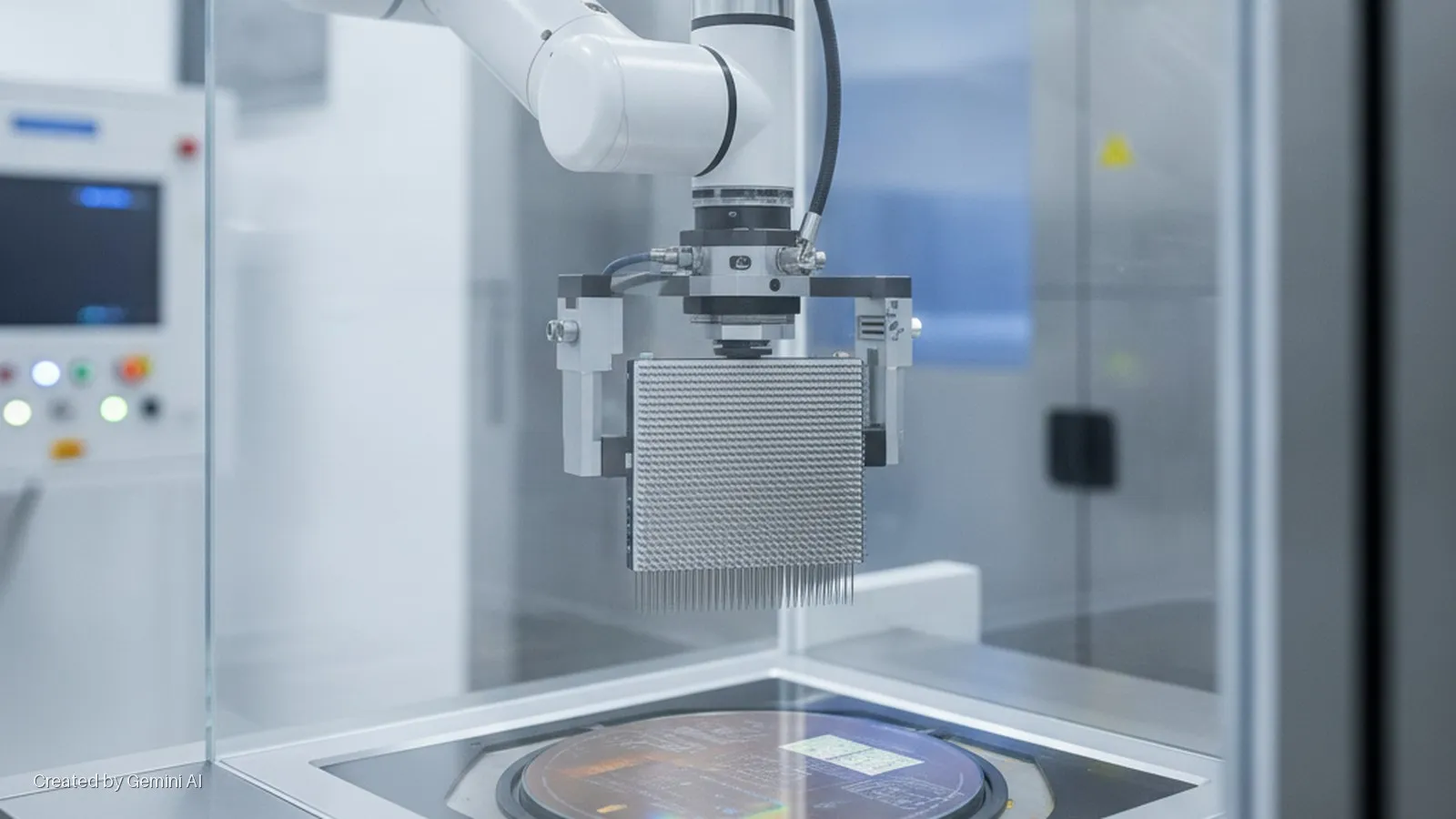
Teradyne and FormFactor have announced a strategic technology collaboration backed by a $300 million equity investment from Teradyne in the Livermore-based probe and interface specialist. The deal, disclosed on 12 October 2026, pairs FormFactor's wafer-probing and device-characterisation expertise with Teradyne's automated test equipment platforms, with both companies targeting the most demanding segments of the advanced semiconductor test market.
The stated focus areas are high-performance compute, advanced packaging, high-bandwidth memory and silicon photonics, all of which are growing rapidly as AI infrastructure spending drives chipmakers toward more complex, heterogeneous device architectures. The companies said the collaboration will span the full device lifecycle from wafer-level characterisation to data-centre deployment, though neither disclosed specific joint product roadmaps, shared engineering headcount, or a timetable for first co-developed deliverables.
The deal
Under the terms of the agreement, Teradyne will acquire shares of FormFactor common stock for $300 million. The transaction remains subject to customary closing conditions and regulatory approvals; no expected close date was given. The size of the stake was not disclosed in the release, nor were any governance rights attached to the investment.
FormFactor chief executive Mike Slessor said that combining the two companies' capabilities would help customers "move more efficiently from technology development to high-volume manufacturing." Gregory Smith, president and chief executive of Teradyne, framed the rationale around customer complexity: "The most demanding test challenges in advanced packaging, silicon photonics, and memory can't be solved by a single company."
Both quotes signal that the collaboration is oriented toward shared customers who are already working with both vendors, rather than a market-expansion play into new buyer segments.
Market context
The semiconductor test equipment sector has come under structural pressure and opportunity simultaneously. On the demand side, AI accelerator chiplets, 3D-stacked memory and advanced packaging techniques have made test coverage significantly harder and more expensive, extending test time and requiring tighter integration between probe cards, interface boards and tester platforms. On the supply side, export controls administered by the US Bureau of Industry and Security continue to shape which customers equipment vendors can serve in certain geographies, a dynamic that affects both FormFactor and Teradyne given their broad international customer bases.
Teradyne's principal competitors in automated test include Advantest, which has been gaining share in AI chip test, and Cohu, which focuses on handler and thermal test segments. FormFactor competes with Technoprobe and MJC in probe cards. The tie-up is notable because deep integration between probe-card and tester vendors has historically been pursued through interoperability standards rather than equity stakes, making this a more committed structural move than a standard technology-partnership announcement.
Standards and regulatory read-across
The collaboration's emphasis on an "open, interoperable ecosystem" echoes language from industry bodies such as SEMI, which maintains standards governing wafer-probing interfaces and test-cell communication protocols. Whether the companies intend to contribute joint work to those bodies, or whether "open" refers only to supporting multiple tester architectures, is not yet clear.
The $300 million equity component will require regulatory review, including potential scrutiny from the Committee on Foreign Investment in the United States if any overseas shareholders are involved. Given Teradyne's existing profile in the AI device supply chain and FormFactor's broad Asian manufacturing footprint, the deal may also attract attention from export-control compliance teams at both firms as the collaboration develops joint customer programmes.