
Micro:bit Foundation donates 7,740 devices to Greater Manchester schools
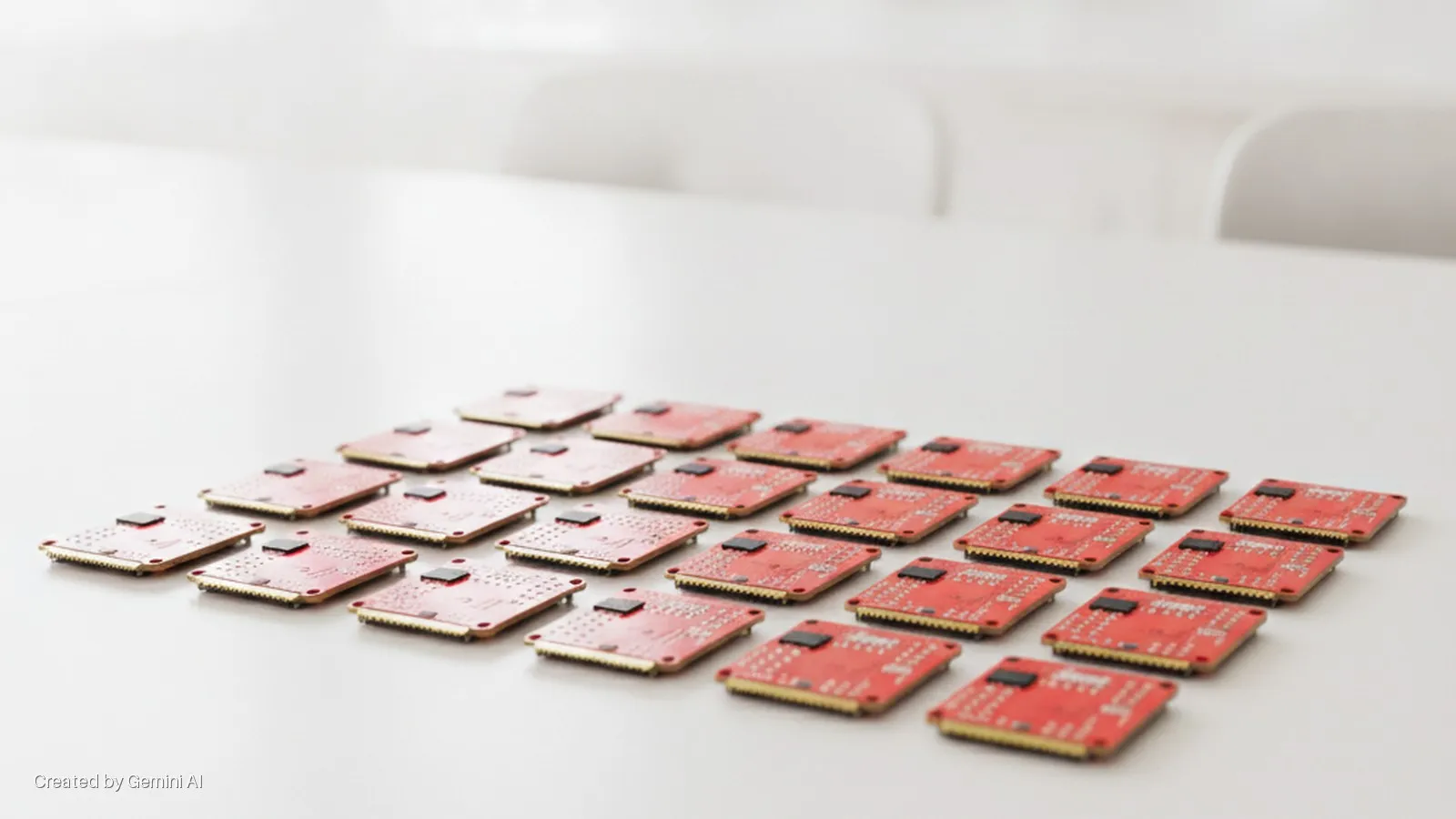
The Micro:bit Educational Foundation has announced a donation of 7,740 BBC micro:bits, packaged into 258 kits of 30 devices each, to every secondary school across Greater Manchester. The rollout, funded by Nominet and delivered in partnership with Greater Manchester Combined Authority and IN4 Group, is intended to extend hands-on computing education to pupils who might otherwise have limited access to physical hardware.
The first 33 kits were distributed on 5 November at Old Trafford stadium, where 600 girls from more than 30 schools attended TechFirst MEGA: Manchester, a workshop event covering AI, cybersecurity and robotics. The remaining 225 kits will follow over the coming months, with Manchester United Foundation acting as distribution partner for the initial tranche.
The programme
The event was delivered by IN4 Group, the regional delivery partner for TechFirst, the UK Government's flagship technology skills programme, which operates across the North West and East Midlands. The donation also aligns with Greater Manchester's MBacc initiative, a regional scheme that links technical education with employer networks and career pathways.
Melanie Washington, Chief Partnerships Officer at the Micro:bit Educational Foundation, said: "By donating micro:bits to schools across Greater Manchester, we want more children to experience coding for themselves, discover what they're capable of and develop skills that could open doors to future careers."
The Foundation cited internal research showing that 81% of girls who had learned with a micro:bit expressed interest in a coding-related career, compared with 37% of those who had not used the device. The research methodology and sample size were not disclosed in the release.
The announcement coincides with the Foundation's tenth anniversary. Over that period, the organisation reports having reached 73.5 million young people in more than 85 countries, with a stated target of 100 million by 2028.
Market and policy context
The donation sits within a wider policy debate in the UK about the pipeline of technology talent, particularly among groups historically underrepresented in the sector. Initiatives such as TechFirst, the Digital Skills Partnership and various Mayoral Combined Authority programmes reflect a cross-party consensus that regional skills gaps are a structural constraint on productivity growth.
The BBC micro:bit, originally developed in 2016 as part of a BBC education initiative, has become one of the most widely deployed physical computing devices in schools globally, with an ecosystem of curriculum resources, teacher training materials and community projects. It competes in the classroom with alternatives such as the Raspberry Pi and Arduino, though the micro:bit's focus on the 8-to-14 age range and its integration with the UK national computing curriculum give it a distinctive position.
For enterprise technology companies, initiatives of this kind represent an indirect pipeline investment. Organisations with operations in Greater Manchester and the wider North West have a direct interest in a regional talent base that is comfortable with computational thinking and hardware interaction from an early age. Whether the donated kits translate into sustained classroom use will depend heavily on teacher training provision, which the Foundation says is part of its broader offer but was not detailed in this announcement.